
Author

Lotus Silvan

Browsing

In a city like Houston, where homes experience heavy water usage year-round, plumbing fixtures work harder than many homeowners realize. Faucets, in particular, are used dozens of times every day for cooking, cleaning, bathing, and outdoor tasks. When a faucet starts leaking, dripping, or malfunctioning, it may seem like a minor inconvenience, but delaying a replacement can quietly increase water bills and lead to larger plumbing expenses. Timely faucet replacement helps Houston homes save both water and money while improving daily comfort and long-term efficiency.

The Hidden Cost Of Leaking Faucets

A slow drip may not look serious, but over time it can waste a surprising amount of water. Even a faucet that drips once every second can waste hundreds of gallons per year. In Houston, where water rates and utility costs continue to rise, this wasted water directly impacts monthly expenses. Many older faucets develop worn washers, corroded internal parts, or loose fittings that allow water to escape continuously, even when the handle is fully turned off.

Beyond water waste, constant dripping increases wear on plumbing connections. Over time, moisture buildup around sinks can damage cabinets, countertops, and flooring, creating repair costs that far exceed the price of a timely Faucet replacement Houston.

Why Houston Homes Are More Vulnerable?

Houston’s climate places extra stress on plumbing systems. High humidity, temperature fluctuations, and mineral content in the water supply can accelerate corrosion and wear inside faucets. Homes with older plumbing systems are especially prone to fixture failure. Kitchen and bathroom faucets that are more than 10 to 15 years old often lack modern efficiency features and are more likely to leak or fail unexpectedly.

In addition, many Houston households use outdoor faucets frequently for lawn care, car washing, and cooling patios during hot months. Worn outdoor faucets can leak underground or behind walls, making water loss difficult to detect until bills spike.

Water Efficiency And Modern Faucet Technology

Replacing an outdated faucet with a modern, water-efficient model can significantly reduce water usage. Newer faucets are designed with advanced aerators and flow restrictors that maintain strong water pressure while using less water. Many models meet WaterSense standards, meaning they are tested for both efficiency and performance.

For Houston homeowners focused on saving money, these upgrades can make a noticeable difference. Without interfering with daily activities like brushing teeth or cleaning dishes, reduced water flow cuts utility bills. The expense of the replacement is frequently covered over time by the savings from decreased water use.

Preventing Bigger Plumbing Repairs

Delaying faucet replacement can lead to more serious plumbing problems. A leaking faucet can increase pressure on supply lines, valves, and seals, raising the risk of pipe leaks or joint failures. Constant wetness in bathrooms and kitchens can cause wood decay, mold growth, and damage to insulation or drywall.

Timely replacement helps prevent these issues by addressing the root cause early. Instead of repeatedly repairing a failing faucet, installing a new unit provides long-term reliability and reduces the likelihood of emergency plumbing calls, which are often more expensive.

Improving Home Value And Comfort

Faucets are one of the most visible plumbing fixtures in a home. Old, stained, or malfunctioning faucets can make kitchens and bathrooms look outdated, even if the rest of the space is well-maintained. Replacing worn faucets instantly improves appearance and functionality, creating a cleaner, more modern look.

For homeowners planning to sell, updated faucets can enhance buyer perception and contribute to a higher home value. For those staying put, smoother operation, better water pressure control, and reduced noise all contribute to a more comfortable daily experience.

Recognizing The Right Time For Replacement

Knowing when to replace a faucet rather than repair it is key to saving money. Common signs that replacement is the better option include frequent leaks, rust or corrosion, loose handles, inconsistent water flow, or visible mineral buildup that cleaning cannot fix. If repairs are becoming more frequent or the faucet no longer performs reliably, replacement is usually the more cost-effective solution.

In Houston homes with older plumbing systems, replacing faucets proactively can also help identify hidden issues such as worn shut-off valves or outdated connections before they fail.

Long-Term Savings Add Up

While some homeowners hesitate to replace a faucet due to upfront costs, the long-term savings are often greater. Reduced water waste, lower utility bills, fewer repairs, and protection against water damage all contribute to financial benefits over time. When combined with improved efficiency and durability, a timely faucet replacement becomes a smart investment rather than an expense.

A Small Upgrade With Big Impact

Faucet replacement may seem like a minor home improvement, but its impact on water conservation and household expenses is significant. In Houston, where water usage is high and plumbing systems face constant demand, addressing failing faucets early helps homeowners avoid unnecessary waste and costly repairs.

By replacing aging or leaking faucets at the right time, Houston homeowners can protect their plumbing systems, improve efficiency, and enjoy meaningful savings month after month.

Execution is never the downfall of great projects.

They fail at the beginning.

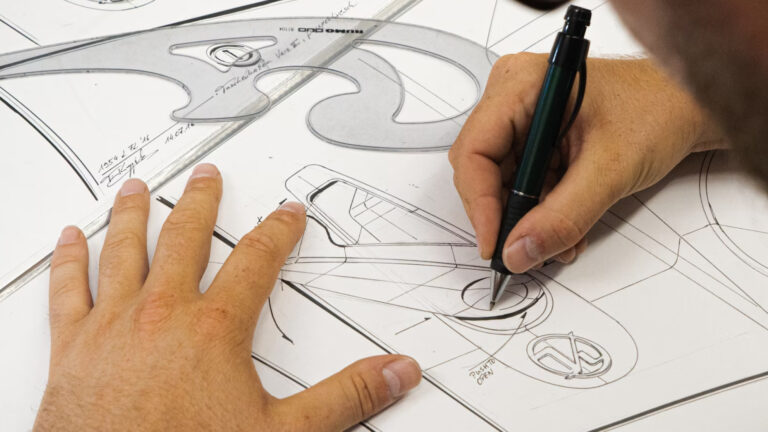
The root of most of our problems is simply teams jumping to details without clarity. Which is why there are firms offering conceptual design services. They can draw the line between chaos and clarity before complexity sets in.

Even before anything is drawn, designed, or developed, conceptual design tells us what this project should be.

What are Conceptual Design Services?

Conceptual design services deal with the craft formulation of ideas which are then taken to the next level in an early stage of a project. This phase crystallizes your vague ideas into a common vision.

It’s less about finishing touches and more about being a passion, the architecture, and an intention. The goal is alignment. Now, we all know the vision, and now we can all move forward.

These services are the ones that are answering the big questions:

  • What are we building?
  • Who is it for?
  • Why does it matter?

Why Conceptual Design Services Matter?

Not taking this step is often a source of confusion later on. Some teams may be trying very hard but rowing in different directions.

Conceptual design services are beneficial for businesses that offer:

  • A clear project visions
  • Fewer revisions during execution
  • Better communication among teams
  • Time and budget usage smarter way

Early clarity prevents late-stage chaos.

What is Typical for Conceptual Design Services?

All projects are, of course, different so this is not a definitive list but the major sectors of work within all conceptual design services.

These may include:

  • Idea development and refinement
  • High-level layouts or frameworks
  • Functional requirements
  • User experience direction

You do not want to lock down a decision too quickly so the focus remains fluid and creative in the early stages.

Improvements from Conceptual Design Services

A stronger concept will yield a stronger outcome. When you have a clear vision, you can execute quicker and with more confidence.

For example:

  • Designers avoid second-guessing decisions
  • Ensures stakeholder alignment from beginning to end
  • Instead of addressing issues reactively, teams solve problems proactively

These services lower the guesswork involved and help in taking a more informed decision.

Conceptual Design vs. Detailed Design

You need to realize that distinction.

Conceptual design services:

  • Define direction
  • Explore possibilities
  • Set priorities

Detailed design:

  • Finalizes measurements
  • Chooses materials
  • Locks specifications

Too early conjoining these stages only results in wasted amount of work. Concept comes first. Details follow.

Who Needs Conceptual Design Services?

Such services hold significance in a multitude of industries. That’s almost, or more, of a lay-up than any project starting from scratch is going to have an engaging concept.

They are especially useful for:

  • New product development
  • Architecture and interior planning
  • Digital platforms and applications
  • Branding and creative projects

It is the conceptual design services that pave the road to the light in rabbit holes where clarity is crucial.

Common Mistakes Without Conceptual Design

Skipping this stage leads to predictable problems with projects:

  • Unclear objectives
  • Misaligned teams
  • Frequent changes mid-project

These issues waste time and money. All of them should have been avoided with proper conceptual design services at the front end.

Final Thought: Direction Before Detail

All of projects have to face limitations at some point. Budgets tighten. Timelines shrink. Expectations grow.

That’s why direction matters early.

Before the projects need to make their bed and take the pressure, ensuring that execution is in support of the idea rather than in conflict with it.

The rest is easy when the idea is good. When it is weak, no amount of detail can save it.

The global problem of ewaste recycling has reached a critical threshold, with an estimated 50 million tonnes of electronic waste generated worldwide each year, yet fewer than 20 per cent of these discarded devices ever reach proper recycling facilities. I spent months investigating where our old electronics actually go when we think we are disposing of them responsibly, and what I uncovered reveals a system that is part solution, part illusion. The trail leads from collection bins in wealthy nations to informal recycling operations in developing countries, from well-intentioned regulations to enforcement gaps that allow valuable materials to slip through the cracks.

The Invisible Stream

Electronic waste does not simply disappear when we drop it in a recycling bin. I traced the journey of several devices through the recycling pipeline, and the reality proves more complex than most consumers realise. A significant portion of collected electronics never reaches authorised recycling facilities. Some items are diverted to grey markets where working components are stripped and resold. Others end up in shipping containers bound for countries with looser environmental regulations, where informal recyclers burn circuit boards to extract metals, releasing toxic fumes.

The infrastructure for ewaste recycling varies dramatically by location. In Singapore, a relatively sophisticated system captures a portion of the waste stream through regulated channels. Yet even here, compliance depends on individual action. “The technology for recycling exists,” one environmental regulator told me, “but we cannot recycle what we never collect.”

What Makes Electronic Waste Dangerous

To understand why ewaste recycling matters, one must first grasp what these devices contain. Lead in older television screens and computer monitors can damage nervous systems and kidneys. Mercury in fluorescent backlights accumulates in food chains. Cadmium in batteries and circuit boards causes lung damage and cancer. Brominated flame retardants in plastic casings disrupt hormones and neurological development.

Yet these same devices also contain copper, gold, silver, palladium, and rare earth elements. A tonne of mobile phones yields more gold than a tonne of gold ore from a mine. This duality makes proper processing both environmentally essential and economically viable.

Practical Steps for Responsible Disposal

During my investigation into ewaste recycling systems, I identified several strategies that genuinely reduce environmental impact:

  • Research authorized collection points in your area before your device fails, making disposal seamless when the time comes
  • Utilize retailer take-back programmes that accept old electronics when you purchase replacements
  • Participate in community collection events organized by local authorities, which often provide convenient drop-off for bulky items
  • Extend device lifespan through repairs rather than replacement, addressing the root cause of waste generation
  • Donate working electronics to schools, charities, or refurbishment programmes that extend their useful life
  • Remove and recycle batteries separately, as they require different processing methods

I observed a community collection drive in a Singaporean neighbourhood where residents brought decades worth of accumulated electronics. The quantity was staggering, but equally notable was what people did not bring. Many admitted to keeping old devices at home due to data security concerns or simple inertia.

The Data Security Question

My interviews revealed that fear of data theft keeps more electronics out of recycling streams than any other single factor. One technology consultant told me, “I have clients with storage rooms full of old computers because they are terrified of information leaks.” This anxiety is not unfounded.

The solution requires thoroughness. Factory resets delete most information but not all. For devices containing sensitive data, physical destruction of storage components at certified facilities provides the only true assurance. Several ewaste recycling centres in Singapore now offer witnessed destruction services, allowing owners to see their hard drives shredded before the rest of the device enters the recycling stream.

The Repair Alternative

Perhaps the most effective strategy for reducing electronic waste is preventing it in the first place. I visited several repair shops and discovered a thriving ecosystem of technicians who can extend device lifespans significantly. A cracked screen, failing battery, or corrupted software, problems that prompt many to buy new devices, are often economically repairable.

Yet manufacturers increasingly design products that resist repair. Proprietary screws, glued components, and software locks make third-party repairs difficult or impossible. “Right to repair” legislation, now under consideration in various jurisdictions, aims to reverse this trend.

Singapore’s Evolving Approach

Singapore’s system for ewaste recycling offers lessons for other nations. The Extended Producer Responsibility scheme, implemented progressively since 2021, shifts some disposal burden back to manufacturers and importers. Collection infrastructure has expanded, with bins now accessible to most residents within walking distance.

However, my investigation uncovered persistent gaps. Only about 20 per cent of consumer electronic waste enters formal recycling channels currently. The remainder disappears into general waste streams, storage rooms, or informal collection networks.

The Path Forward

My months investigating the electronic waste system revealed both the scale of the problem and the tangible solutions available to individuals. Every device we repair instead of replace, every item we route to proper recycling instead of general rubbish, every purchase we delay or reconsider represents a small victory against waste accumulation.

The most powerful insight from this investigation is that individual actions aggregate into systemic change. When enough people demand repairable products, manufacturers respond. When enough devices enter proper recycling channels, the economics of recovery improve. When enough voters prioritize environmental policy, regulations strengthen. The key to addressing our electronic waste crisis lies not in waiting for perfect systems but in participating imperfectly in the systems that exist, while pushing for better ones through informed choices about ewaste recycling.

Transfer speed improvements on layer 2 networks stem from architectural changes that remove bottlenecks constraining primary blockchain throughput. These technical modifications enable near-instant transaction confirmation that meme coin communities require for active trading and social tipping. Projects including dogwifhat coin and similar community tokens benefit from infrastructure supporting rapid transfers without waiting minutes or hours for primary network confirmations.

Parallel processing increases 

Layer 2 systems process multiple transactions simultaneously, rather than sequentially handling one operation at a time, like primary networks, where each block must finish before the next begins. This parallel architecture allows thousands of concurrent transfers to execute independently without waiting for previous transactions to complete. The elimination of sequential processing constraints removes the fundamental throughput ceiling that limits primary networks regardless of other optimisations or hardware improvements. Specialised hardware optimised for specific layer 2 operations performs transaction validation faster than general-purpose primary network nodes designed to handle diverse smart contract logic. This specialisation trades flexibility for raw speed by focusing computational resources exclusively on core transfer operations without supporting complex programmability. Meme coins requiring simple value transfers benefit maximally from this tradeoff since their use cases rarely demand sophisticated smart contract functionality beyond basic token movements between addresses.

Optimistic execution reduces 

Assuming transaction validity before complete verification allows immediate user confirmation while validation processes complete in the background without blocking perceived transaction finality. Users receive instant feedback that transfers succeeded even though technical verification continues asynchronously without requiring their attention or causing delays. This optimistic approach eliminates waiting for full consensus before considering transactions complete from a user experience perspective. Fraud-proof mechanisms providing security guarantees catch any invalid transactions that optimistic systems initially accepted, maintaining security without sacrificing speed during normal, honest operation. The rarity of actual fraud attempts means optimistic assumptions prove correct overwhelmingly, delivering speed benefits in the vast majority of cases while reserving longer verification for exceptional suspicious activity. 

Dedicated sequencers order 

Specialised sequencer nodes receiving transactions and determining inclusion order respond faster than distributed consensus processes requiring agreement among thousands of primary network validators. Centralised or small-committee sequencing removes the coordination overhead that distributed consensus necessarily includes to maintain decentralisation. 

  1. Sequencer reputation systems incentivise honest behaviour through economic penalties and future opportunity loss for operators caught censoring or reordering transactions maliciously
  2. Rotating sequencer selection prevents single entities from maintaining permanent control over transaction ordering that could enable extractive behaviour
  3. Decentralised sequencer networks distribute ordering power across multiple independent parties, reducing trust requirements compared to single sequencer architectures
  4. Economic bonds requiring sequencers to stake collateral, subject to slashing for misbehaviour, create financial disincentives against manipulation attempts
  5. Open sequencer participation, allowing new operators to join, prevents incumbent cartels from restricting competition and extracting monopolistic rents

These sequencer designs balance speed benefits from reduced coordination overhead against decentralisation requirements by distributing control and creating accountability mechanisms that punish dishonest behaviour economically. Layer 2 blockchains power faster meme coin transfers through parallel processing eliminating sequential constraints, optimistic execution providing instant user confirmations, dedicated sequencers ordering transactions rapidly, state channels enabling off-chain instant settlements, and simplified validation speeding confirmation through specialized verification. These architectural advantages combine to deliver speed improvements of orders of magnitude compared to primary network processing.

The modern landscape of human connection has shifted in ways few could have imagined just a decade ago. As digital integration becomes a part of everyday life, our definition of relationships and companionship continues to evolve. In this changing environment, the sex doll has emerged not just as an object of physical desire, but as a surprising medium for emotional fulfillment. Acme Joy stands at the forefront of this transformation, pushing boundaries to demonstrate how technology can bridge the gap between intimacy and solitude.

For many, the idea of forming a bond with a synthetic partner may seem distant or unfamiliar. But beneath the surface lies a growing recognition that intimacy is not confined to traditional relationships. With rising rates of social anxiety, isolation, and emotional detachment in the modern world, people are searching for connection in new and unconventional ways. The sex doll, once stigmatized and misunderstood, has taken on a more complex role—one that touches on emotional wellness, mental comfort, and the human need for closeness.

Acme Joy has redefined the purpose and potential of the sex doll by infusing its creations with remarkable realism and emotional nuance. These aren’t just anatomically correct figures—they are representations of desire, memory, and comfort. Through advanced materials, lifelike features, and evolving interactive capabilities, the experience transcends the physical. It becomes a form of companionship that’s uniquely tailored to the individual, grounded in both imagination and emotion.

What makes this movement especially significant is how it challenges the outdated assumption that emotional bonds must exist solely between two human beings. The presence of a sex doll can serve as an emotional anchor for someone dealing with grief, trauma, or long-term loneliness. It offers stability without the volatility that often accompanies human relationships. For individuals who have been hurt, misunderstood, or rejected, this form of connection can feel safer and more affirming than traditional partnerships.

The technology behind this new era of companionship is advancing rapidly. With features like heat replication, movable joints, and increasingly realistic facial details, the line between artificial and authentic begins to blur. Some developers are even experimenting with AI integration, allowing dolls to respond with speech, gestures, or emotional cues. This dynamic shift turns what was once a passive object into something resembling a responsive partner—silent enough to never overwhelm, yet engaging enough to soothe and satisfy.

Acme Joy’s role in this revolution reflects a deeper understanding of the human psyche. Their models aren’t simply products—they’re vessels for the kind of emotional validation many crave in an increasingly disconnected world. Whether used for comfort, routine, or simply the warmth of company, the sex doll becomes a reliable companion. Not a substitute for real relationships, but an alternative form of closeness that honors personal boundaries and emotional needs.

Cultural attitudes are beginning to catch up with this reality. The growing openness surrounding mental health and personal pleasure has paved the way for more accepting conversations about synthetic companionship. What was once considered taboo is now seen by many as a legitimate choice in the quest for connection and happiness. The sex doll no longer exists solely in the realm of fantasy—it has become a tool for healing, exploration, and even emotional support.

In this brave new world, intimacy is being rewritten. Technology is no longer just enhancing life—it’s participating in it. Acme Joy stands as a symbol of this evolution, showing that even in silence and stillness, there can be presence, understanding, and emotional depth. As people continue to redefine what it means to connect, the companionship offered by a lifelike doll may provide not just pleasure, but peace.

And perhaps that is the most revolutionary idea of all—that connection, in its many forms, should meet us wherever we are, even if that means finding comfort in something that doesn’t breathe, but still feels real.


Lakes are intricate ecosystems dependent on equilibrium to flourish, not only beautiful locations. Whether it’s a huge public lake or a backyard pond, keeping water health is crucial for biodiversity as well as beauty. One solution growing increasingly in popularity? Setting up a fountain. These aquatic elements serve a critical function in supporting lake ecosystems’ health and stability in addition to their aesthetic appeal.

How Fountains Improve Water Quality?

Including a lake fountain is not just about producing the ideal Instagram ripple effect. Strong instruments for raising water quality are fountains. By means of aeration, they raise oxygen levels, which supports good bacteria in degrading surplus nutrients including phosphorus and nitrogen. If ignored these extra nutrients can lead to harmful algae blooms and murky.

Many property managers and lake owners turn to professionals like That Pond Guy to assist in installing the ideal fountain system for their particular needs. Well-designed lake springs can help manage bad smells from anaerobic situations (low oxygen environments) near the lake’s bottom, lower stagnation, and keep water flowing.

Algae Control Without Harsh Chemicals

Algae overgrowth is one of the most often occurring issues in lakes. Although chemical treatments might have short-term effects, over time they usually result more damage than benefit. By encouraging circulation and oxygenation, fountains assist break the conditions—namely, stagnant water and nutrient accumulation—that algae feed on. Fountains thus provide a more environmentally friendly and sustainable answer for long-term algae management.

Fountains also lower the food supply for algae by promoting the development of good bacteria that digest extra nutrients. It’s a win-win: fewer green scum, clearer water, and no strong chemicals necessary.

Aquatic Life Support

Good oxygen levels and water movement are essential for healthy fish and plant life. Thermal layering—the phenomenon whereby surface water becomes too hot and bottom water too cold—results from stagnant water, usually causing oxygen depletion. This can kill off plant life and suffocate fish.

Fountains maintain more uniform oxygen levels across the lake by mixing the water and breaking up these thermal layers. Along with a range of aquatic plants that enhance the diversity of the ecosystem, this balanced environment is ideal for supporting fish such bass, bluegill, and koi.

Aesthetic and Recreational Advantages

We should not discount the aesthetic and auditory attraction. With the calming sound of flowing water, a well-placed fountain can turn a boring pond into a beautiful center point. Whether it’s a little decorative spray or a spectacular multi-tiered display, fountains enhance the beauty and serenity of the environment.

Better water also translates into safer and more pleasant leisure. From fishing to paddleboarding, a clean, well-oxygenated lake enhances the general outdoor experience.

Conclusion

Installing a lake fountain enlivens the whole ecosystem—far more than it beautifies the surface. Fountains provide an all-in-one answer for maintaining a good lake from stopping algae blooms to promoting fish populations and enhancing water quality. Keeping your lake looking its best and preserving its health depends on finding the correct setup. Professional pond contractors make this quite simple.

Whether you own private lakeside property or run a public park, a fountain could be exactly the upgrade your water requires to remain balanced, clean, and full of life.

Cryptocurrency ventures founded on traditional business principles consistently outperform technology-first competitors despite the industry’s technical foundations. Analysis of successful digital asset companies reveals a striking pattern where management experience, operational discipline, and strategic planning create substantially better outcomes than superior technological innovation alone. This counter-intuitive success pattern challenges the prevailing narrative that crypto ventures require primarily technical expertise rather than conventional business fundamentals. If you’re watching how exchanges and service models evolve, have a peek at this web-site for patterns tied to success. Companies prioritising solid business models before blockchain novelty show 3.7× better five-year survival rates and 2.5× higher profitability than those emphasising technological innovation without a comparable business foundation.

Market drives product development

The most successful cryptocurrency ventures implement customer-centred development rather than technology-first approaches common among failed projects. This market-oriented focus begins with identifying specific customer problems requiring solutions rather than creating blockchain implementations seeking subsequent applications. This customer-first methodology typically involves extensive market research before technical development, systematic problem validation through potential customer engagement, and solution iteration based on direct feedback rather than technical elegance. The approach ensures addressing genuine market needs rather than creating sophisticated blockchain implementations without clear utility value, driving actual adoption.

Companies implementing these market-focused practices demonstrate dramatically higher customer acquisition rates while achieving substantially lower marketing costs than technology-centred competitors. The customer-problem orientation creates natural distribution advantages by addressing recognized needs rather than requiring extensive knowledge about blockchain capabilities before establishing value propositions.

Discipline creates structure

Operational discipline regarding cash management provides cryptocurrency ventures with crucial survival advantages during market downturns. Business-oriented operations typically maintain 18-24 month runways regardless of market conditions, implement strict budget controls during both bull and bear markets, and establish diversified revenue streams, reducing dependence on token appreciation or venture funding.

This financial prudence creates particular advantages during extended market contractions when technology-focused operations often face existential threats due to inadequate cash reserves or unsustainable token-based compensation structures. The business-focused approach treats blockchain industry volatility as a given condition requiring appropriate operational preparation rather than temporary disruption awaiting inevitable recovery. Companies implementing these conservative financial practices survived recent market contractions at nearly 4× the rate of those operating with minimal reserves or token-dependent business models, regardless of technological sophistication or initial market position.

Partnerships outperform technical expertise

Ecosystem development through strategic partnerships creates sustainable advantages exceeding pure technological capabilities. Business-oriented cryptocurrency operations prioritise collaborative relationships, building distribution networks, integration partnerships, and complementary service arrangements, extending market reach beyond direct acquisition capabilities. This partnership emphasis often contradicts the decentralization idealism common among technology-focused cryptocurrency ventures, creating philosophical tensions but substantial practical advantages. Companies willing to compromise absolute decentralization ideals for practical business relationships demonstrate significantly faster market penetration regardless of relative technological quality.

The partnership advantage manifests particularly strongly when entering traditional industry verticals, where existing relationship networks dramatically outperform technological novelty in achieving adoption. Companies leveraging conventional partnership development methodologies consistently achieve faster institutional integration despite often implementing less technologically elegant solutions than purist competitors. Despite blockchain’s technical nature, the cryptocurrency industry matures from technology-focused business models to operational models. Digital asset ventures offer substantial opportunities to business-experienced professionals.

Let’s set the scene.

It’s 10:37 p.m. on a Friday night. You’re surrounded by instruction manuals that feel like they were written during a caffeine-fueled fever dream. You’ve cursed at a bag of screws twice. You’ve flipped a particle board panel upside down three times. And your TV is still on the floor.

Welcome to the shared trauma of mass-market entertainment centers.

Now… let’s talk about custom entertainment centers—aka, what you actually wanted when you walked into that furniture showroom and whispered, “just something clean and modern.”

Because when it comes to building a space that works for your home and doesn’t make you want to chuck a Phillips screwdriver across the room, custom is worth it.

Let’s compare, shall we?

📦 Off-the-Shelf Option: “Good Luck and Grab the Allen Wrench”

  • “Fits most TVs” (except yours)
  • Cable management = one sad hole in the back panel
  • Shelving? Sort of adjustable… if you’re okay with slanting
  • Color options: grayish, brownish, and almost white
  • Bonus: May collapse under the weight of your speaker system and shame

🎯 Verdict: Better than putting your TV on a stack of pizza boxes. Barely.

🎯 Custom Entertainment Center: “Hello, Gorgeous”

  • Built to your exact wall and TV size—no guesswork
  • Hidden cable tracks and outlets where you need them (no more wire spaghetti)
  • Integrated shelving that fits your decor and your gaming console
  • Storage drawers for remotes, board games, or those rogue candles you forgot you owned
  • Finish and style tailored to your home (no “assembly required” rage in sight)

🎯 Verdict: It doesn’t just fit your space—it makes your space.

The Hidden Bonus: Repairs You Won’t Need to Make

You know how cheap units warp, wobble, and whisper “please don’t lean on me” six months in? Not here.

Custom units are built with actual craftsmanship and quality materials, which means you’re not constantly googling “how to fix sagging cabinet doors” at midnight.

But hey—if you’re deep in the reno game, and you need some help beyond cabinetry, there’s no shame in brushing up on the best home repair tips too. (Spoiler: If duct tape is involved, you’re probably doing it wrong.)

You Deserve Better Than Wobbly MDF

This isn’t just about aesthetics—it’s about function, flow, and maintaining the last threads of your patience during renovation season.

Custom entertainment centers offer:

  • Real design that reflects your space
  • Real storage for your actual life
  • And real peace of mind that you won’t be re-buying it in 18 months

Plus, you can finally stop apologizing to guests for “the temporary setup” you’ve had since 2019.

Final Word from Genevieve Gorder

Let your living room breathe. Let it serve you. And above all—let your TV live in something better than a budget box with loose screws and a grudge.

When you go custom, you don’t just get a piece of furniture. You get a design feature, a clutter solution, and a sigh of relief.

And trust me: you’ve earned that sigh.

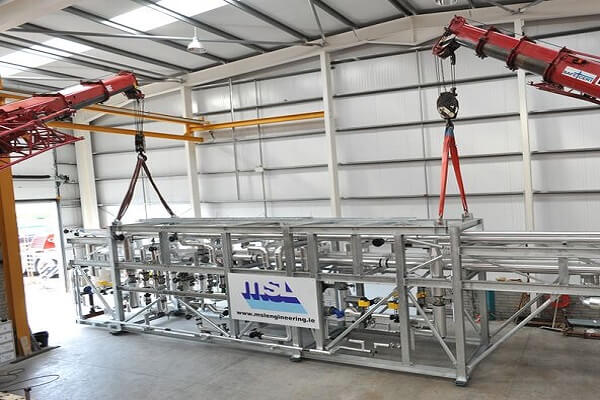
What makes prefabrication a game-changer for production equipment construction? This method offers efficiency and flexibility that traditional construction methods simply can’t match. By using pre-manufactured components, time and costs are significantly reduced. Let’s explore how it is transforming the construction of production equipment.

Streamlining Construction with Modular Techniques

Modular fabrication changes how production equipment is built by incorporating pre-fabricated modules that can be assembled on-site. This approach offers faster construction timelines compared to conventional building methods. Pre-manufactured parts are created in controlled environments, reducing on-site construction time and mitigating weather or site conditions risks.

This also leads to higher precision and fewer errors. With components being produced in a factory setting, quality control is improved, ensuring that all parts meet stringent standards. Additionally, modular systems are easily scalable, allowing for customization based on specific production needs.

 Production Equipment Construction

Reduced Downtime 

One of the most notable benefits of prefabrication is its impact on cost and downtime. Traditional methods often involve longer construction periods, which can result in higher labor costs and longer periods of production downtime. Modular techniques allow production equipment to be up and running much faster. 

The pre-fabrication of components allows for simultaneous preparation of parts while the site is being prepared, reducing overall project timelines. This efficient use of time translates into lower costs for businesses, allowing them to begin production sooner and without unnecessary delays. Ultimately, this approach ensures that companies can meet their operational targets more effectively.

Choosing Trained Professionals for Prefabrication

When opting for prefabrication, choosing trained professionals experienced in this specialized method is essential. Expert builders are familiar with the complexities of assembling pre-fabricated components and ensuring that all systems function seamlessly together. Their knowledge of design, materials, and assembly techniques is critical to the success of the project. 

Moreover, working with experienced professionals minimizes the risks of errors that can arise during assembly. These experts ensure that modular units are correctly integrated into the overall system, making sure the equipment operates efficiently from day one. Choosing trained professionals guarantees that the project is completed to the highest standards.

Flexibility and Adaptability for Various Industries

  • Offers exceptional flexibility and adaptability, making it suitable across diverse industries.
  • Ideal for sectors like manufacturing, energy production, and food processing.
  • Modular systems can be customized to meet specific operational needs.
  • Easily adapted to evolving industry demands, enabling quick response to market changes.
  • Supports scalability and adjustment of production capacity as required.
  • Prefabrication allows easier modifications to production lines.
  • Ensures equipment keeps pace with technological advancements and shifting consumer demands.

Industries That Rely on Prefabrication

A wide range of industries benefit from prefabrication due to its efficiency, scalability, and adaptability. Modular systems streamline production lines in the manufacturing sector and simplify maintenance and upgrades. The energy industry, including renewable sectors like solar and wind, uses modular units for fast deployment and easy integration in remote or challenging environments. 

Food and beverage processing facilities leverage modular setups to meet stringent hygiene standards while maintaining flexibility for product changes. Pharmaceutical and biotech companies depend on modular cleanrooms and labs that can be expanded or reconfigured quickly to support research and compliance needs. From industrial plants to high-tech sectors, prefabrication meets the demand for speed, customization, and operational agility.

Long-Term Durability and Maintenance Benefits

Modular systems often simplify maintenance by making replacing or repairing individual modules easier without disrupting the entire system. Since parts are pre-tested and assembled in controlled environments, defects are less likely, and maintenance can be planned and scheduled in advance. 

This reduces the need for emergency repairs and extends the overall lifespan of production equipment. As a result, businesses benefit from reduced operational costs and less downtime for repairs.

Modular fabrication has revolutionized the construction of production equipment, offering faster build times, cost savings, and adaptability. With the help of trained professionals, this efficient approach ensures higher quality and durability in the final product. As companies continue to embrace this method, they can rely on modular solutions to enhance their operations and meet industry demands more effectively.

Photography has an incredible way of turning everyday moments into lasting memories. For many, what begins as a fun weekend activity or creative escape slowly transforms into a serious pursuit. The journey from hobbyist to professional photographer is filled with learning curves, exciting milestones, and the constant evolution of style and skill. If you’ve ever wondered what it takes to go from casually snapping photos to building a thriving photography career, this guide will walk you through the key stages of that transformation.

Discovering the Passion

Every photographer starts with a spark—perhaps it’s the thrill of capturing a perfect sunset, the satisfaction of framing a candid smile, or the joy of documenting adventures with friends. In the beginning, it’s all about exploration. You experiment with your phone or an entry-level camera, take photos of everything and anything, and start to notice how light, color, and angles affect the outcome. This phase is all about play and curiosity, and it’s the foundation for everything that follows.

Learning the Craft

As your interest deepens, so does your commitment to the craft. You begin researching gear, investing in a better camera, or learning how to edit your images. Technical terms like aperture, ISO, and shutter speed start to make sense. You discover the importance of composition, lighting, and timing. You might take an online course, follow photography blogs, or join local meetups. This is the point where you start to move beyond snapshots and begin creating intentional, compelling images.

Building Confidence Through Practice

At some point, someone asks you to take their photo—a friend needs a headshot, or a relative wants event coverage. This first gig is both exciting and nerve-wracking. While you may still be finding your footing, these early sessions are incredibly valuable. They teach you how to direct people, manage expectations, and work under pressure. More importantly, they give you the confidence to imagine photography as something more than just a hobby.

Developing a Portfolio

As you take on more shoots, it becomes essential to curate your best work. A strong portfolio showcases your style, versatility, and technical skill. It’s your visual résumé and often the first impression potential clients will have of your work. Choose images that reflect your niche and personality—whether it’s moody portraits, vibrant events, or clean product shots. Display them on a professional website or portfolio platform to start building your online presence.

Networking and Community

Growth as a photographer doesn’t happen in isolation. Surrounding yourself with other creatives can inspire new ideas, offer constructive feedback, and open the door to collaboration. Attend local workshops, join photography groups, and connect through social media. Community events can also lead to unexpected opportunities. For example, working alongside a photo booth rental atlanta at a wedding or corporate event can help you meet vendors, get referrals, and capture dynamic, spontaneous images that enrich your portfolio. These collaborations are a great way to build both experience and exposure.

Finding Your Niche

As you gain experience, you’ll naturally gravitate toward certain types of photography. Some photographers fall in love with weddings, while others prefer portraits, commercial work, or travel photography. Finding your niche allows you to focus your branding, target the right clients, and refine your style. That said, early in your journey, it’s beneficial to try different genres to discover where your strengths and passions align.

Business Basics for Going Pro

Turning photography into a full-time profession requires more than creative talent—it demands business savvy. You’ll need to figure out your pricing, draft contracts, manage your finances, and market your services. Building systems for scheduling, invoicing, and communication helps you stay organized and professional. Tools like client management software and online galleries can save time and improve the client experience. As you grow, you may even consider investing in branding or working with a mentor to fine-tune your approach.

Mastering the Client Experience

Delivering stunning images is only part of being a successful photographer. What truly sets professionals apart is how they treat their clients—from the first inquiry to the final gallery delivery. Prompt responses, clear expectations, and a friendly attitude can turn a one-time session into a long-term relationship. Whether you’re covering a high-profile event or photographing guests enjoying a photo booth rental, professionalism and attention to detail make a lasting impression.

Evolving and Growing

Photography is an ever-evolving field. As trends shift and technology advances, staying relevant means continuing to learn and grow. Whether it’s exploring new editing techniques, diving into film photography, or launching a personal project, there’s always something new to master. Staying creatively inspired helps prevent burnout and keeps your work fresh. The best photographers are lifelong students who never stop challenging themselves.

Conclusion

The journey from hobbyist to professional photographer is a deeply personal and rewarding transformation. It’s about discovering your passion, committing to your craft, and building a brand that reflects your unique vision. Along the way, you’ll gain technical skills, business experience, and creative confidence. Whether you’re directing a formal shoot or capturing authentic moments next to a buzzing photo booth rental, every frame you take is a step forward. With passion, patience, and persistence, what starts as a hobby can evolve into a fulfilling and successful career.