
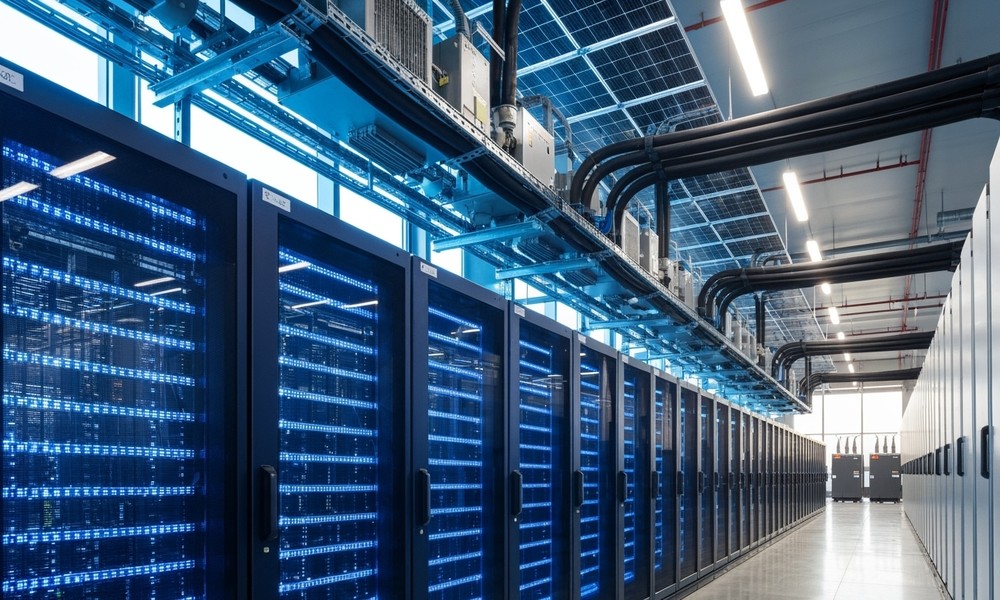
When the lights go out, critical infrastructure cannot afford a single misstep. The world’s increasing reliance on data centers, hospitals, and emergency hubs means blackout is not an option. Power continuity, especially in high-stakes environments, hinges on generator systems engineered for extended autonomy and absolute reliability.
Understanding Extended Backup Power Needs for Critical Infrastructure
Every second counts during an outage, and in places like data centers or hospitals, stakes run even higher. Data centers, in particular, demand flawless uptime. A single power blip can result in lost transactions, breached security, or irreparable data loss. Beyond IT, facilities such as water treatment plants and air traffic control towers face cascading operational risks if power is not sustained.
Maintaining continuous operations presents daunting challenges. Infrastructure must contend with unpredictable grid failures, weather events, and surging power draws. Planning for these uncertainties is not theoretical, it is mandatory.
The industry measures backup readiness by “autonomy periods,” or the length of time critical systems can operate without external power. In Tier 2 and Tier 3 data centers, 24- to 48-hour autonomy is no longer a luxury but an expectation, often requiring systems capable of delivering multiple megawatts without interruption.
Anatomy of Complex Generator Systems
Keeping vast facilities online during disasters takes more than a single diesel generator humming in the corner. Modern backup systems are intricate networks of interconnected parts, each with a specialized role.
Key components include:
– Multiple generator units for redundancy (N+1 or higher).
– Automated transfer switches for seamless load switching.
– Industrial-grade fuel storage and delivery systems.
– Precision monitoring and control infrastructure.
Modular design is a non-negotiable feature in contemporary systems. It enables facilities to expand power capacity or replace faulty units without wholesale overhauls. This flexibility is particularly valuable in fast-growing sectors or in facilities designed for decades of operation.
Fuel choice matters. While diesel remains dominant for its energy density and rapid response, environmental and regulatory pressures push some operators towards natural gas or hybrid setups. Storage sizing must align with the targeted autonomy period; for a 10 MW load over 48 hours, fuel logistics become a substantial engineering challenge.
Case Study: Montreal Metropolitan Area Data Center
A recent benchmark in backup system design can be found in the Montreal metropolitan area, where a 109,000 square foot facility was developed based on Uptime Institute standards between Tier 2 and Tier 3. This site boasts a 35,000 square foot cleanroom and supplies a formidable 10 MW of power, underlining just how mission-critical its operations are.
Designing for a minimum 48-hour autonomy required a generator system with remarkable resilience. Engineers mapped out multiple generators assigned to different load zones, integrated with a fuel reserve sized for two full days of operation at peak capacity. Automatic transfer switches and remote monitoring ensure instant response to outages and ongoing situational awareness.
The facility’s adherence to Uptime Institute protocols meant rigorous redundancy and failover requirements. Class 2 and 3 standards mandate specific system separations and backup paths, so even under maintenance or partial failure, critical loads remain protected.
Accommodating a large cleanroom introduced unique power distribution complexities. Cleanroom environments demand tightly controlled climate and filtration, making their backup requirements inflexible. Careful coordination between generator output and precision HVAC controls was crucial.
For those seeking deep expertise in this field, the Stendel + Reich data center architect team was instrumental in delivering this project and offers valuable insight into balancing longevity, scalability, and resiliency.
Designing for Longevity and Future-Proofing
Building for a 20-year lifespan is not just about rugged hardware; it is about anticipating change. Modular generator bays and scalable fuel storage mean that as the client’s needs grow, capacity can be increased with minimal disruption.
Planned upgrades and scheduled maintenance are part of the design philosophy. Rather than reactive fixes, predictive analytics and scheduled replacements become the norm, substantially reducing total cost of ownership over decades.
There is always a tradeoff between upfront costs and long-term reliability. High-quality components and extra redundancy might stretch the capital budget but pay dividends in lower downtime and risk mitigation.
Operational Management and Testing Protocols
Without rigorous testing, even the best systems can fail when needed most. Regular generator tests and full-scale load transfer drills are scheduled to catch potential failures before they become emergencies.
Advanced monitoring platforms now provide real-time health metrics, flagging anomalies and predicting breakdowns. Predictive maintenance, leveraging historical performance data, is reducing unplanned downtime and optimizing costs.
Emergency protocols are also evolving. Clearly defined procedures for refueling, repair, and manual intervention are practiced and documented, ensuring staff know exactly what to do in the rare instance when automation falters.
Environmental and Regulatory Considerations
Urban environments add another layer of complexity. Emissions from diesel generators are subject to strict limits, pushing operators toward cleaner fuels, advanced after-treatment systems, and sound mitigation measures. Noise abatement is vital, especially for data centers situated near residential areas.
Compliance is mandatory. Building codes, fire safety, and environmental standards shape every design and upgrade. Forward-looking facilities are also exploring sustainable initiatives: bi-fuel engines, renewable integration, and carbon offsetting.
Lessons Learned and Best Practices from Real-World Deployments
The Montreal data center project illustrates the rewards of investing in robust generator systems. Key takeaways include:
– Early modular planning eases future scaling and modernization.
– Redundancy is not just an option; it is essential insurance.
– Ongoing training and digital monitoring yield significant operational benefits.
For stakeholders in critical infrastructure, the best path is proactive investment in flexible, standards-driven backup systems. As the energy landscape continues to evolve, staying ahead means combining reliable engineering with relentless adaptation, a lesson written in every hour of seamless uptime during the storm.

Comments are closed.