Category

Health

Category

You know how morning routines work: coffee first (obviously), maybe some water if you’re being responsible, scroll through your phone while you wait for your brain to boot up, and then… greens powder?

Yeah, that last one is newer. But if you’ve been paying attention, you’ve probably noticed greens supplements quietly becoming as common in morning routines as that first cup of coffee.

And honestly, it’s not that surprising when you think about why.

The Beauty of Brain-Dead Simple

Let’s be real: most of us don’t want our mornings to be complicated.

You’re not trying to whip up a gourmet breakfast at 6:30 AM. You’re trying to get out the door without forgetting your keys or wearing mismatched shoes. The last thing you need is a wellness routine that requires 47 steps and a YouTube tutorial.

That’s the appeal of greens powders.

Scoop. Water. Stir. Done.

It slides right into whatever you’re already doing. Making your coffee? Mix it in. Blending a smoothie? Toss it in there. Just chugging water because you forgot to eat breakfast again? Works for that too. When something is that easy, you actually do it. And when you actually do it every day, it becomes a habit. Wild concept, right?

We’re All a Little More Nutrition-Concious Now

Remember when nobody talked about micronutrients or phytonutrients unless they were registered dietitians?

Yeah, those days are over.

Thanks to podcasts, blogs, and that one friend who won’t shut up about their kale intake, most of us now have at least a vague awareness that we should probably be eating more plants. We know we need variety. We know greens are important. We also know that realistically, we’re not going to prep seven different vegetables every morning before work.

Greens supplements have become the compromise. They’re not replacing your actual diet (nobody thinks powder is better than real spinach), but they’re filling in the gaps on the days when your vegetable intake consists of… well, nothing.

It’s nutrition insurance.

And in a world where most of us are just trying to do something good for our bodies, that feels pretty reasonable.

Consistency Wins

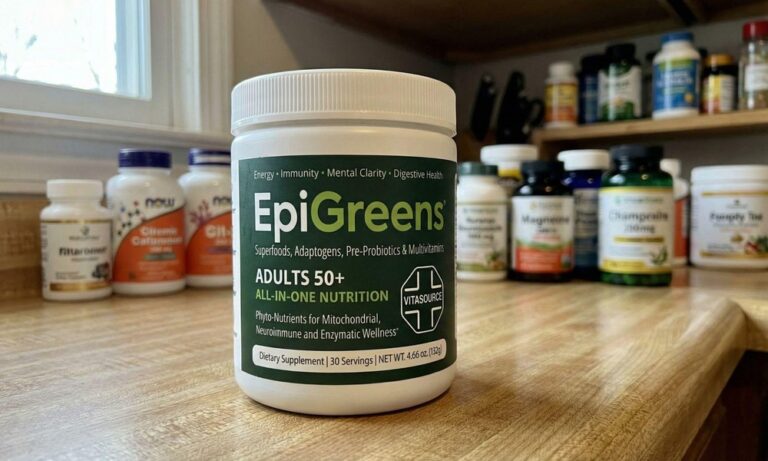
Some people mention EpiGreens specifically in this context, and yeah, there’s a reason for that. It’s actually made for adults over 50, which means it focuses on the stuff that really matters at this age. Better digestion? Check. Energy that doesn’t crash halfway through the day? Yep. Filling in those nutritional gaps without loading you up with caffeine or weird ingredients? Absolutely.

People genuinely feel the difference. Less bloating, more consistent energy, just feeling better day-to-day without all the drama.

And here’s the thing that really sells people on it: it doesn’t taste like dirt and it actually mixes properly. You’re not standing there for five minutes trying to break up clumps or holding your nose while you chug it down. Just a quick stir and you’re done.

Because it’s meant for everyday life, not some crazy fitness routine, people actually keep taking it. And that’s when you really notice. After a few weeks, a few months, you just feel more balanced. That’s what makes it legit.

How It Stacks Up Against the Big Names

Look, if you’ve been researching greens powders at all, you’ve probably run into AG1 (Athletic Greens).

It’s everywhere. Podcasts, Instagram ads, your coworker’s desk. And yeah, it’s a solid product. But here’s the thing: AG1 is designed for athletes and high-performers. It’s packed with 75+ ingredients, costs about $99 a month, and honestly? That’s overkill for most people over 50 who just want something simple and effective.

EpiGreens takes a different approach.

Instead of throwing every possible ingredient into one scoop, it focuses on what actually moves the needle for everyday adults. You’re not paying for a bunch of adaptogens and performance enhancers you don’t need. You’re getting quality greens, digestive support, and nutritional balance without the inflated price tag or the ingredient list that reads like a chemistry textbook.

Then there’s stuff like Amazing Grass and Organifi. Both popular, both decent options.

Amazing Grass is super affordable, which is great, but the tradeoff is that the formulation is pretty basic and the taste can be hit or miss. Organifi goes heavy on the flavor side with things like mint and sweeteners to make it more palatable, which some people love and others find way too sweet or artificial tasting.

For people who want quality without the marketing circus, that balance matters.

What You’re Actually Paying For

Here’s something nobody really talks about: price per serving only tells you half the story.

Sure, you can find greens powders for $30 a month. But if they taste so bad you can’t stomach them, or they’re so weak that you don’t notice any difference, or they’re filled with cheap fillers… what’s the point?

You end up with a half-used tub sitting in your cabinet collecting dust.

With EpiGreens, people tend to actually finish the container. And then buy another one. Because it works, it tastes fine, and it fits into their routine without being a hassle.

That’s the real value. Not just what you pay upfront, but whether you’ll actually use it consistently enough to see results.

Compare that to some of the pricier options that are basically paying for packaging and marketing hype, and EpiGreens starts to look pretty smart for people who care more about results than Instagram-worthy branding.

The Habit That Actually Sticks

You know what’s funny about greens powders once you start taking them?

They just kind of… stay in your routine.

Not because you’re forcing yourself or guilting yourself into it, but because it genuinely becomes part of your morning flow. It’s like brushing your teeth. You don’t wake up and debate whether you’re going to do it today. You just do it because it’s what you do. Greens powders have that same quality once they’re established, they stop being “a thing you’re trying” and start being “what you do in the morning.”

And the reason they stick is simple: they’re convenient.

You’re not fighting against your schedule or your energy levels. You’re working with them.

The Real Reason This Is Happening

So why are greens supplements becoming such a common morning habit?

It’s not because of some brilliant marketing campaign or celebrity endorsment (though those don’t hurt). It’s because they solve a real problem in a genuinely practical way.

People want to take better care of themselves, but they don’t have unlimited time, energy, or willpower. They need things that fit into their actual lives, not the Instagram-perfect lives they wish they had. Greens powders deliver on that. They’re simple. They’re consistent. They don’t ask you to be someone you’re not.

And as long as people keep valuing ease and sustainability over perfection and complexity, greens supplements are probably going to stay right there on the counter next to the coffee maker, just another small, sensible part of the morning routine.

Because at the end of the day, the best wellness habit is the one you’ll actually do tomorrow.

And the day after that.

And the day after that.

As parents in British Columbia, we want the best for our children, which includes keeping their oral health in good shape. Understanding the fundamentals of infant teeth is critical for establishing the foundation for a lifetime of healthy smiles. Let us go over everything parents need to know about baby teeth, from when they appear to how to properly care for them. For more details, you can speak to a family dentist in Vancouver, BC

The basics of baby teeth 

Baby teeth are important for more than simply appearance; they also contribute to your baby’s health and growth. Baby teeth, often known as primary teeth, play various important roles in a child’s development. 

First and foremost, they help newborns chew and eat, letting them ingest a wide range of foods required for healthy nutrition and growth. Furthermore, baby teeth are important for speech development since they assist youngsters in learning to pronounce sounds and construct words correctly. Furthermore, baby teeth act as placeholders for permanent teeth, directing their emergence to the proper location. 

When do baby teeth emerge? 

The average infant begins to develop teeth at the age of six months. However, some babies begin earlier and some later. The two bottom front teeth are often the first to emerge, followed by the top front teeth. The remaining teeth will come in during the next several years.

How long do they last? 

Most baby teeth fall out naturally between the ages of six and seven. The molars, or rear teeth, are typically the last to disappear.

What are some common issues with baby teeth?

Cavities are among the most prevalent concerns with newborn teeth. Cavities form when acids from plaque (a sticky film containing germs) erode the enamel, or hard outer layer, of teeth. Plaque builds when sugary and starchy foods and drinks are not fully eliminated from the teeth. Sugary beverages, such as juice and soda, can also cause cavities.

How to care for baby teeth 

Proper dental care for infant teeth is critical for preserving oral health and avoiding dental disorders later in life. Here are some important guidelines for looking after your child’s infant teeth:

  • Begin washing your baby’s gums with a gentle, wet cloth after each feeding.
  • When teeth start to erupt, brush them gently twice a day with a tiny, soft-bristled toothbrush and a dab of fluoride toothpaste.
  • Limit sugary drinks and snacks in your child’s diet since they can lead to tooth decay.
  • Avoid putting your kid to bed with a sippy cup or bottle containing anything other than water since this can cause bottle rot, a serious form of tooth decay.

Plan your child’s first dental appointment before their first birthday or when the first tooth shows, whichever comes first. Early dental appointments introduce youngsters to the dental office and allow the dentist to monitor their oral health and give preventative treatment. 

Most people will experience tooth pain at some point. It might be sharp, dull, throbbing, or only happen when you eat or drink something cold. Often, tooth pain goes away on its own or with a simple dental treatment. But when the pain sticks around — even after brushing, flossing, and avoiding hot or cold foods — it could be a sign that something more serious is going on.

This is where an endodontist comes in. If the pain is coming from inside the tooth, your regular dentist may refer you to a specialist who deals with problems involving the tooth’s inner nerve and root.

Understanding Where the Pain Comes From

Teeth are made up of several layers. The hard outer layer (enamel) protects the softer inner parts, including the pulp. The pulp holds the nerves and blood vessels that keep the tooth alive. When this area becomes inflamed or infected — often due to decay, injury, or a cracked tooth — it can lead to intense and ongoing pain.

Sometimes, the pain is hard to pin down. It might feel like it’s coming from your jaw, or one tooth might hurt when the problem is actually in another. In other cases, pain may come and go but never fully settle. These are the types of issues an endodontist is trained to diagnose and treat.

An endodontist in Sydney will use tools like digital X-rays or 3D imaging to see exactly what’s happening inside the tooth, even if it’s not visible on the surface.

When Should You See an Endodontist?

Tooth pain that lasts more than a few days, especially if it’s severe or getting worse, is a sign that you should see your dentist. If your dentist finds signs of infection or damage inside the tooth, they may refer you to an endodontist for further treatment.

You might also need an endodontist if a previous root canal has failed, or if a tooth has had trauma, such as a hard hit or crack. Pain after dental work that doesn’t go away is another reason to get a second opinion.

Other signs that may point to the need for endodontic care include swelling around the gums, darkening of a tooth, or sensitivity that lingers long after eating something hot or cold.

In any of these cases, seeing an endodontists in Sydney can help get to the root of the problem — literally.

What Treatment Usually Involves

The most common procedure an endodontist performs is a root canal. While it has a bad reputation, it’s not as painful as most people think. In fact, it’s often the thing that finally stops the pain.

During a root canal, the endodontist removes the damaged or infected pulp, cleans out the inside of the tooth, and seals it to prevent future infection. In some cases, a crown is added later to protect the tooth.

In more complex cases, retreatment or minor surgery may be needed, especially if the canals are hard to reach or an old infection has returned.

Don’t Put It Off

Tooth pain that doesn’t go away on its own usually won’t improve without treatment. The longer you leave it, the more likely it is that the infection will spread — and in some cases, the tooth can’t be saved.

Getting the right treatment early can mean the difference between keeping your natural tooth and needing it removed. Endodontists are experts in saving teeth, even in difficult situations.

If your tooth has been bothering you and the pain is starting to affect your sleep, work, or day-to-day comfort, it’s time to act. Don’t wait — speak to your dentist or book in with a trusted endodontist in Sydney.


Video consultations are essential safeguards in remote prescription practices by enabling direct physician-patient interaction that maintains medical standards and regulatory compliance. Visual assessment capabilities allow doctors to observe patient appearance, behaviour patterns, and physical symptoms that written questionnaires cannot adequately capture. Regulatory bodies mandate real-time visual contact to prevent prescription abuse while ensuring proper medical evaluation occurs before medication dispensing. NextClinic implements video requirements to maintain legitimacy and protect patients and healthcare providers from potential liability issues caused by inadequate medical assessments.

Visual verification needs

During remote consultations, healthcare providers require direct visual contact to assess patient credibility and symptom authenticity. online prescriptions depend on a physician’s ability to observe nonverbal cues, facial expressions, and physical manifestations of reported conditions that text-based communication cannot provide. Visual assessment enables detection of drug-seeking behaviours, inconsistent symptom presentations, and potential fabrication attempts that could lead to inappropriate prescriptions.

Real-time observation allows physicians to request immediate symptom demonstrations, range of motion tests, or physical examinations that patients can perform under direct guidance. These interactive assessments provide diagnostic information comparable to in-person evaluations while maintaining the convenience of remote healthcare delivery. Visual verification also enables physicians to assess patient cognitive function, alertness levels, and overall wellness indicators influencing prescription decisions.

Regulatory compliance mandates

Medical licensing boards and federal agencies establish strict requirements for telemedicine prescribing practices that include mandatory video consultation components. These regulations aim to prevent prescription fraud, illegal drug distribution, and inadequate medical care that could harm patients or enable substance abuse. Video consultations create documented evidence of physician-patient relationships that regulatory audits can review for compliance verification. State medical boards typically require visual contact for controlled substance prescriptions:

  • Schedule II medications demand the highest level of verification and monitoring protocols
  • Addictive substances require careful patient assessment and addiction risk evaluation
  • Mental health medications need cognitive function assessment and mood evaluation
  • Pain management prescriptions requiring physical symptom observation and pain behaviour analysis
  • Sleep aids and anxiety medications demand alertness evaluation and dependency screening

Diagnostic accuracy enhancement

Face-to-face interaction through video technology enables comprehensive patient assessment, improving diagnostic accuracy compared to text-based consultations alone. Physicians can observe skin colour changes, breathing patterns, posture abnormalities, and other physical indicators that provide crucial diagnostic information for prescription decisions. Visual cues often reveal additional symptoms that patients might not report verbally or consider relevant to their conditions. Interactive diagnostic techniques include guided physical examinations where physicians instruct patients to perform specific movements, demonstrate pain locations, or display affected body areas for professional evaluation:

  1. Neurological assessments, including coordination tests and reflexive response evaluation
  2. Respiratory evaluations through breathing observation and cough demonstration analysis
  3. Musculoskeletal examinations involving range of motion and strength testing procedures
  4. Dermatological assessments requiring close visual inspection of skin conditions and lesions
  5. Cardiovascular evaluations through pulse checking and circulation assessment techniques

Ongoing video relationships enable physicians to monitor treatment effectiveness, observe side effect manifestations, and adjust prescriptions based on visual patient progress assessments. This continuity of care creates comprehensive treatment approaches that pure text-based platforms cannot achieve while maintaining safety standards for responsible prescription practices. Video consultation requirements represent a necessary evolution in telemedicine that balances accessibility with safety. These protocols ensure online prescription services maintain medical integrity while providing convenient healthcare access that meets patient needs and regulatory standards.

The healthcare education landscape continues to evolve with digital learning opportunities expanding access to professional qualifications. Online carer certification programs now offer comprehensive training pathways that meet industry standards while providing flexible learning options. These programs maintain rigorous quality controls equivalent to traditional classroom instruction. NextClinic represents how healthcare education adapts to modern learning preferences while preserving educational integrity. Digital certification pathways ensure aspiring carers can access quality training regardless of geographical location or scheduling constraints.

Entry qualification basics

Most online carer certification programs establish minimum entry requirements that ensure participants can succeed in the coursework while meeting professional standards. Age requirements typically start at eighteen, though some programs accept seventeen-year-old applicants with guardian consent. Educational prerequisites usually include completed secondary education or equivalent qualifications demonstrating basic literacy and numeracy skills. Previous healthcare experience, while beneficial, rarely represents a mandatory requirement for entry-level carer certificate online programs that focus on foundational skills. Background checks and health clearances form standard admission requirements across most accredited programs. These screening procedures protect students and future patients while maintaining professional standards within the healthcare sector.

Technology setup essentials

Digital learning platforms require specific technological capabilities that support interactive coursework and virtual practical sessions. Reliable internet connectivity with adequate bandwidth ensures smooth access to video content, virtual simulations, and real-time communication tools used throughout the certification process. Modern devices capable of running current web browsers and supporting video conferencing applications provide the foundation for successful online learning experiences. Webcam and microphone capabilities enable participation in virtual practical assessments and supervisor consultations that complement theoretical coursework. These technical requirements ensure students can fully engage with all program components.

 carer certificate online

Assessment structure breakdown

Online carer certification programs implement diverse assessment methods that evaluate theoretical knowledge and practical competencies required for professional practice.

  • Written examinations covering healthcare regulations, patient safety protocols, and care planning fundamentals
  • Video-based practical demonstrations showcasing essential care techniques and procedures
  • Case study analyses that test critical thinking abilities in real-world scenarios
  • Continuous assessment through module quizzes and interactive exercises
  • Final portfolio submissions demonstrating comprehensive skill development

These varied assessment approaches ensure graduates possess the theoretical knowledge and practical capabilities necessary for professional carer roles. The combination validates learning outcomes while accommodating participants’ different learning styles and preferences.

Completion timeline expectations

Standard online career certification programs typically span twelve to eighteen months, depending on the specific qualification level and intensity of study. Part-time study options extend timelines to accommodate working professionals, while full-time tracks accelerate completion for dedicated students.

  • Foundation-level certificates requiring 6-9 months of part-time study
  • Advanced certification pathways spanning 12-18 months with comprehensive practical components
  • Accelerated programs offering completion within 8-12 months for full-time students
  • Flexible scheduling options allowing study progression based on individual circumstances
  • Extension opportunities for students requiring additional time due to personal circumstances

These timeline variations accommodate diverse student needs while maintaining consistent educational quality across all program formats. Completion schedules balance thoroughness with practical accessibility for working adults pursuing career transitions. The digital transformation of carer education creates accessible pathways for professional development while maintaining the quality standards essential for healthcare roles. Online certification programs combine convenience with comprehensive training that prepares graduates for meaningful careers in patient care. These requirements ensure that certification holders possess the knowledge and practical skills necessary for competent professional practice in diverse healthcare settings.

A contemporary substitute for conventional smoking and chewing tobacco, nicotine pouches have become somewhat popular. Designed to give consumers a discreet and easy way to consume nicotine without spitting or combustion, they Usually, these pouches include nicotine and other chemicals to improve taste and moisture management. Although the main attraction of nicotine pouches is their simplicity and efficacy, it is vital to know the components that constitute these products in order to assess their possible advantages and hazards. We will enable you to decide whether to use nicotine pouches by examining their main ingredients nicotine, flavorings, binders, and other additives.

1. The Main Ingredient Is Nicotine

Naturally, the most crucial ingredient in nicotine snus is nicotine. Extracted from tobacco plants, this addictive chemical is the main energizer in the product. Working on the central nervous system, nicotine gives the typical “hit” that consumers want. Though it can vary from pouch to pouch, the nicotine content is usually set to provide a pleasant experience without stressing the user. Usually, nicotine in pouches is in the form of nicotine salts, which are more stable and simpler to absorb than freebase nicotine.

2. Flavorings: Improving the Encounter

Manufacturers include several flavourings to make nicotine pouches more pleasant. Ranging from minty, fruity, and citrusy to sweet and spicy, these tastes appeal to many tastes. Although many of the tastes in nicotine pouches come from food-grade additives, some flavoring compounds’ safety is still being debated. Often, these tastes hide the bitterness of nicotine, therefore making the product more appealing and available to a larger audience, including those new to nicotine use.

3. Structural Integrity: Binders and Fillers

Nicotine pouches need a binding agent to keep all the components together and preserve their shape. Usually food-safe chemicals like cellulose or plant-based fibers, these binders assist the pouch stay intact. Fillers help the pouch stay moist enough to deliver nicotine by adding bulk and soaking up moisture. Common fillers are glycerin or vegetable fibers. These components guarantee the pouch’s shape and function remain consistent all during use.

In conclusion, nicotine pouches offer a modern, smoke-free alternative to traditional snus and other tobacco products. Understanding the ingredients that go into these pouches can help users make informed choices about their use. While nicotine, flavorings, and binders are essential components, it is important to be aware of the additives used to enhance the product’s shelf life and performance.

The human body often communicates through symptoms that can be difficult to interpret, as many conditions share overlapping signs such as pain, swelling, fatigue, or unexplained weight loss. These common symptoms can stem from a variety of causes, including tumors, inflammation, or stress, each with its own implications. Tumors may present as localized lumps or discomfort and can vary widely depending on their type and location, from neurological issues that may require evaluation by neurosurgeons in the case of brain tumors, to digestive symptoms in abdominal growths. Inflammation, the body’s natural defense mechanism, manifests through redness, heat, and swelling and can become chronic in diseases like arthritis or Crohn’s, causing ongoing pain and disruption. Meanwhile, stress, though not always recognized as a medical condition, can significantly affect physical health by triggering symptoms like headaches, muscle tension, or insomnia, and can even mimic more serious illnesses. The complexity arises in distinguishing these causes, as physical and psychological symptoms often intertwine, leading to uncertainty and anxiety. Recognizing this overlap underscores the importance of seeking medical evaluation to identify the root cause and begin appropriate treatment.

The Role Of Medical Imaging In Diagnosis

In the quest for clarity amidst complex symptoms, medical imaging stands as an invaluable diagnostic ally. Offering a non-invasive window into the body, technologies such as MRI, CT scans, ultrasound, and X-ray have transformed how clinicians detect and differentiate between conditions with overlapping presentations. Whether evaluating unexplained pain, swelling, or fatigue, imaging can reveal internal abnormalities that physical exams may miss, such as hidden tumors, inflamed tissues, or structural damage. In oncology, imaging is vital for detecting tumors at an early stage, assessing their size and location, and guiding treatment plans. Similarly, in inflammatory conditions like arthritis, imaging helps identify joint damage, fluid buildup, or soft tissue involvement. Even in cases where stress-related symptoms mimic physical illness, imaging can rule out more serious pathologies, offering peace of mind and focusing care appropriately. Ultimately, medical imaging enables timely, accurate diagnoses and supports personalized treatment, empowering both patients and providers with the visual clarity needed to navigate complex health concerns.

Types Of Imaging Techniques: MRI, CT, And Ultrasound

Medical imaging includes several key techniques that help doctors diagnose and monitor a wide range of conditions. MRI is ideal for capturing detailed images of soft tissues, making it useful for detecting issues in the brain, spine, and joints. CT scans use X-rays to create cross-sectional views of the body, providing quick and accurate assessments of bones, organs, and potential tumors, especially in emergencies. Ultrasound, which uses sound waves rather than radiation, offers real-time images of organs and is commonly used in pregnancy and for evaluating inflammation or fluid buildup. Each method plays a crucial role in delivering accurate diagnoses and guiding treatment decisions.

How Imaging Differentiates Between Tumors And Inflammation

Distinguishing between tumors and inflammation is a key diagnostic challenge, as both can cause similar symptoms. Medical imaging plays a crucial role in clarifying the cause by revealing internal structures in detail. Facilities such as Tellica Imaging utilize advanced MRI techniques to excel at showing soft tissue differences, helping to determine whether a mass is solid, suggesting a tumor, or fluid-filled, indicating inflammation. CT scans provide cross-sectional views that highlight the size, shape, and impact of a mass on surrounding tissues. Tumors often appear as solid, irregular growths, while inflammation may present as swelling or fluid accumulation. Ultrasound also contributes by evaluating superficial tissues and joints, distinguishing solid from cystic lesions, and detecting fluid linked to inflammation. By combining these imaging methods, healthcare providers can better differentiate structural, systemic, or functional causes of symptoms, particularly fatigue or pain, enabling more precise diagnosis and targeted treatment.

When To Seek Imaging: Recognizing Red Flags

Knowing when to seek imaging is key to ensuring a timely and accurate diagnosis. Red flag symptoms—such as unexplained weight loss, persistent or severe pain, vision changes, or neurological deficits like weakness or speech difficulties—often warrant further investigation through imaging. These signs may point to serious conditions like tumors, inflammation, or stroke. Recurrent or treatment-resistant symptoms may also justify imaging to uncover hidden causes. Open communication between patients and providers is essential for evaluating symptoms and selecting the appropriate imaging method. Early use of imaging when necessary can lead to faster diagnoses, better outcomes, and greater peace of mind.

The Future Of Imaging Technology In Diagnosing Complex Conditions

Medical imaging is rapidly advancing, with new technologies enhancing diagnostic precision. Functional MRI (fMRI) and PET scans go beyond structure to reveal physiological activity—fMRI maps brain function, while PET detects metabolic changes, aiding in early cancer detection. Artificial intelligence (AI) is also transforming imaging by analyzing scans quickly and accurately, helping radiologists detect subtle abnormalities. AI’s role is growing, especially in complex cases where early diagnosis is critical. Additionally, combining imaging with tools like genetic testing and biomarker analysis offers a more complete picture of patient health, paving the way for personalized treatment and improved outcomes.

The Impact Of Stress On Physical Health And Imaging Results

Chronic stress can have a real impact on physical health and often mimics symptoms of more serious conditions like tumors or inflammation, which can make diagnosis more challenging. According to the Workwell Foundation (https://workwellfoundation.org/), stress can show up as headaches, digestive issues, muscle tension, or fatigue—symptoms that easily overlap with other medical problems. Stress may also affect imaging results by increasing muscle tightness or worsening inflammation, which can lead to confusing or misleading findings. That’s why it’s important to look at the whole picture—lifestyle, medical history, and mental health—not just test results. In some cases, when symptoms like fatigue are hard to pin down with standard evaluations, cardiopulmonary exercise testing (CPET) can offer additional insights into how exertion affects physical function.

Coping Strategies For Patients Awaiting Imaging Results

Waiting for imaging results can be stressful, filled with fear and uncertainty. To manage this anxiety, patients can use relaxation techniques like deep breathing, meditation, or yoga to stay calm and grounded. Staying informed about the imaging process and asking questions can also reduce fear by providing clarity and control. Open communication with healthcare providers helps ease concerns and build trust. Support from family, friends, or peer groups offers emotional comfort and a sense of connection. By combining these strategies, patients can better cope with the waiting period and face the results with strength and resilience.

Conclusion: The Importance Of Comprehensive Diagnosis

Medical imaging plays a vital role in diagnosis by helping distinguish between tumors, inflammation, and stress-related symptoms. Technologies like MRI, CT, and ultrasound provide detailed insights that guide treatment decisions and improve outcomes. While imaging offers essential data, it must be paired with a full understanding of the patient’s history, lifestyle, and mental health to ensure accurate diagnosis. As advancements in imaging and artificial intelligence evolve, they promise even greater precision in medical care. Ultimately, diagnosis is a shared journey, and when patients stay informed and engaged, imaging becomes a key partner in promoting well-being.

Every person deserves access to adequate medical treatments without financial strain. The cost management process starts with proper research and planning. Medical insurance verification helps determine coverage options and payment plans available through different providers.

Cost factors that affect treatment prices

  • Medical equipment maintenance requirements
  • Duration of treatment sessions
  • Number of sessions needed
  • Medical staff expertise level
  • Location-based operational expenses
  • Modern technology implementation costs
  • Regular system calibration needs

Finding affordable treatment options

Smart planning leads to substantial savings in medical expenses. Many medical facilities provide flexible payment plans spread across months. Direct communication with healthcare providers about financial concerns creates opportunities for customized payment arrangements.

Payment plans and financing

Financial advisors at medical centres guide patients through various payment methods. Some facilities partner with medical financing companies, offering zero-interest initial periods. Early payment discounts benefit patients who pay the complete amount upfront.

Insurance coverage possibilities

Medical insurance policies differ in their coverage terms. Detailed policy review identifies potential coverage for innovative treatments. Insurance providers need proper documentation proving medical necessity for coverage approval.

Ways to reduce out-of-pocket costs

  • Schedule consultations during promotional periods
  • Ask about package pricing for multiple sessions
  • Check if the facility offers seasonal discounts
  • Consider paying annually instead of per session
  • Look into medical credit card options
  • Request itemized cost breakdowns

Finding value in quality care

The Shockwave for ED Clinic Kansas City maintains high treatment standards and reasonable prices. Medical facilities focusing on patient care invest in advanced equipment and trained staff without excessive markups.

Comparing treatment packages

Price comparison between different treatment packages reveals potential savings. Package deals often include follow-up visits and maintenance sessions at reduced rates. Multi-session commitments typically cost less per treatment than individual appointments.

Financial planning strategies

Creating a dedicated medical expense fund helps manage treatment costs. Monthly savings explicitly allocated for medical needs prevent financial stress. Some employers offer health savings accounts, reducing taxable income while saving for medical expenses.

Making informed decisions

Knowledge about treatment processes helps in making cost-effective choices. Understanding the required number of sessions prevents unexpected expenses. Regular communication with healthcare providers ensures optimal treatment scheduling.

Regular assessment benefits

Periodic progress evaluations prevent unnecessary additional sessions. Tracking improvements helps determine the most effective treatment frequency. Documentation of results supports insurance claims when applicable.

Alternative payment methods

Medical credit cards often provide special financing terms. Some facilities accept health savings account payments. Flexible spending accounts offer tax advantages for medical expenses.

Price negotiation opportunities

Many facilities consider reasonable price negotiations. Volume discounts might apply for prepaid session packages. Special rates could be available for returning patients.

Maximizing treatment value

Each session builds upon previous treatment results. Following recommended treatment intervals optimizes effectiveness. Professional medical guidance ensures appropriate treatment progression.

Budget management tips

  • Track all treatment-related expenses
  • Keep detailed records of payments
  • Monitor insurance claim status
  • Review monthly medical spending
  • Adjust payment plans as needed

Financial planning makes quality medical care accessible. Various payment options accommodate different budgetary needs. Professional medical facilities work with patients to create manageable payment solutions while maintaining high treatment standards.

Home care plays an essential role in helping seniors maintain their independence, comfort, and quality of life. In Bucks County, a range of services is available to assist older adults in staying at home while receiving the necessary support for everyday activities. This type of care focuses on the needs of seniors while promoting their well-being and dignity in familiar surroundings. With the right services, individuals can enjoy a higher level of comfort, security, and companionship. 

Providing Tailored Care

Home care in Bucks County provides services that are personalized to meet each individual’s needs. Many seniors face challenges such as mobility issues, chronic health conditions, or cognitive decline. By offering care that is customized to fit these unique circumstances, home care agencies ensure that seniors receive the support they require while encouraging them to maintain as much independence as possible. Whether assistance is needed with daily activities like bathing, dressing, or meal preparation, or with medical care such as medication reminders, these services help seniors live their lives with dignity.

The Benefits of In-Home Support

In-home care allows seniors to remain in familiar surroundings, like those in Bucks County, enhancing their mental and emotional well-being. Staying at home enables engagement in activities such as gardening or spending time with family, improving mood and health. Additionally, caregivers provide valuable companionship, reducing loneliness and fostering meaningful connections. 

Support for Family Caregivers

Caring for a senior loved one can be a full-time job that is both physically and emotionally demanding. Family members often find themselves juggling caregiving duties with their own responsibilities, leading to stress and burnout. Home care not only benefits seniors but also provides relief for family caregivers. Professional caregivers can assist with a wide range of tasks, allowing family members to take a break and focus on their own well-being. This support helps maintain a healthy balance between caring for a loved one and managing personal obligations.

Personal Care and Assistance

Personal care is a key part of home care services. Many seniors need help with tasks like bathing, grooming, and dressing. Trained caregivers provide assistance with respect for privacy and preferences, ensuring seniors feel confident and cared for while maintaining control over their daily routines. In Bucks County, many caregivers are trained to support seniors with various needs, from basic hygiene to managing health conditions. In addition to personal care, seniors can receive assistance with mobility and transferring between areas, which is crucial for those with limited physical abilities. Caregivers help ensure seniors are safe while moving around, reducing the risk of falls and injuries.

Choosing the Right Care Services

When considering home care, it is important to select a service that meets the specific needs of the senior in question. Quality care agencies in Bucks County focus on delivering individualized services with the goal of enhancing the senior’s life. Whether a senior requires full-time care or just occasional assistance, agencies offer flexible solutions tailored to each client’s unique situation. Choosing the right care service can make a significant difference in the quality of life for seniors, providing them with the support they need to live independently and comfortably at home.

Home care in Bucks County enhances the quality of life for seniors by providing tailored, compassionate care that supports their physical, emotional, and social well-being. With a wide range of services available, seniors can remain in the comfort of their homes while receiving the care they need to thrive. This approach not only benefits seniors but also provides peace of mind for their families, knowing that their loved ones are receiving high-quality, personalized care.

Understanding Urgent Care For Eye Issues

Urgency is crucial when it comes to eye health, as sudden changes or injuries can significantly impact vision and overall well-being. Urgent care facilities specialize in addressing immediate eye issues, equipped with specialized tools and experienced professionals for swift diagnosis and treatment. These centers offer a middle ground for those unsure whether to visit the emergency room or a primary care physician, providing timely, specialized care without the need for an appointment. Understanding when and where to seek help empowers individuals to protect their vision and prevent lasting damage.

Common Eye Issues Requiring Urgent Care

Eye problems needing urgent care can range from minor irritations to serious injuries. Common issues include foreign objects like dust or sand that can cause pain or corneal scratches, infections such as conjunctivitis marked by redness or discharge, and sudden vision changes like blurriness, flashes, or floaters, which may signal retinal detachment. Other urgent concerns include chemical splashes, trauma, and severe eye pain. Recognizing these symptoms early and seeking prompt treatment is key to preventing complications and protecting vision.

The Importance Of Timely Treatment For Eye Problems

Timely treatment is essential for eye-related issues, as delays can lead to irreversible damage or even vision loss. Conditions like acute glaucoma can quickly increase eye pressure, risking permanent loss of sight without immediate care. Infections such as bacterial conjunctivitis can spread rapidly and cause significant discomfort, but early intervention can ease symptoms and prevent transmission. Prompt attention to eye trauma or foreign bodies helps avoid complications like corneal abrasions or infections. Prioritizing swift medical care is crucial to protecting vision and preserving quality of life.

When To Seek Urgent Care For Eye Issues

Knowing when to seek urgent care for eye issues is key to protecting vision and improving outcomes. Signs that require immediate attention include severe eye pain, sudden vision loss (partial or complete), and any form of eye trauma from accidents or impact. Persistent redness, swelling, or discharge—especially when paired with fever or headache—also warrants prompt evaluation. Recognizing these symptoms and acting quickly can help prevent complications and ensure effective treatment.

What To Expect During Your Visit To An Urgent Care Facility

A visit to urgent care for eye issues typically includes an initial assessment of your symptoms and medical history, followed by a thorough eye examination using specialized equipment to diagnose the problem. Treatment may involve medication, removal of foreign objects, or a referral to a specialist for advanced care. In some cases, imaging tests like Optical Coherence Tomography (OCT) or fluorescein staining may be used to detect internal damage or infections. Asking questions during your visit can help you better understand your condition, treatment options, and any necessary follow-up care, keeping you proactive in managing your eye health.

Eye Doctors’ Recommendations For Eye Health

Eye doctors stress the importance of regular eye exams to catch problems early and maintain good vision. Annual check-ups can detect conditions like glaucoma, cataracts, or macular degeneration in their early stages, often before noticeable symptoms appear. These visits also help monitor changes in vision and update prescriptions for glasses or contact lenses. Wearing protective eyewear during risky activities, such as sports, yard work, or using power tools, can prevent traumatic injuries. Additionally, maintaining a healthy lifestyle—with a diet rich in vitamins A, C, and E, staying hydrated, avoiding smoking, and managing chronic conditions like diabetes and high blood pressure—further supports long-term eye health. Following these steps helps prevent emergencies and keeps your vision strong.

Prevention Tips For Avoiding Eye Emergencies

Preventing eye emergencies starts with smart habits and protection. Use safety goggles when working with debris, chemicals, or sharp objects. Manage screen time by following the 20-20-20 rule to reduce eye strain, and adjust lighting to minimize glare. Always practice proper contact lens hygiene to avoid infections—this includes washing hands before handling lenses, using the correct cleaning solution, and replacing lenses as directed. Additionally, maintain a balanced diet rich in eye-friendly nutrients like omega-3 fatty acids, lutein, and zinc. These simple steps go a long way in protecting your eyes and supporting long-term vision health.

How To Choose The Right Urgent Care Facility For Eye Issues

Choosing the right urgent care facility for eye issues is essential. Look for centers with optometry or ophthalmology specialists, proper diagnostic equipment, and a convenient, easily accessible location. It’s also helpful to check if the facility offers extended hours or 24/7 availability, accepts your insurance, and has positive patient reviews. Considering these factors helps ensure you receive timely, high-quality care when it’s needed most.

The Role Of Technology In Eye Care

Technology is transforming modern eye care by improving diagnostics and treatment. Telemedicine enables remote consultations, especially helpful in rural areas. Advanced imaging techniques like Optical Coherence Tomography (OCT) provide detailed eye scans for accurate diagnosis. Laser treatments offer precise, minimally invasive solutions with quicker recovery. These innovations are making eye care more efficient, effective, and accessible.

Conclusion: Prioritizing Your Eye Health

Prioritizing eye health is vital to preserving our quality of life. Understanding when to seek urgent care, staying consistent with eye check-ups, maintaining healthy habits, and choosing the right care facilities all support long-term vision wellness. Incorporating protective measures, like wearing sunglasses to shield against UV rays and using safety eyewear during high-risk activities, can further safeguard vision. As technology continues to advance in ophthalmology, with innovations like telemedicine, AI diagnostics, and laser treatments, staying proactive in our eye care routines ensures we protect the windows through which we see the world.