
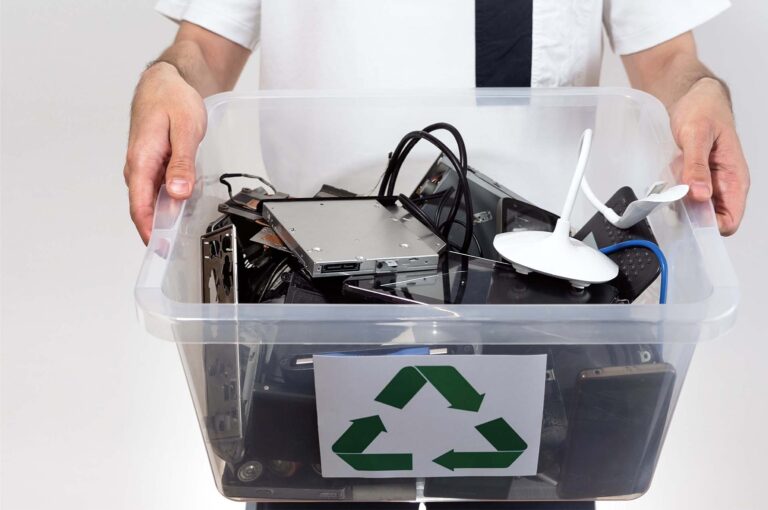
The global problem of ewaste recycling has reached a critical threshold, with an estimated 50 million tonnes of electronic waste generated worldwide each year, yet fewer than 20 per cent of these discarded devices ever reach proper recycling facilities. I spent months investigating where our old electronics actually go when we think we are disposing of them responsibly, and what I uncovered reveals a system that is part solution, part illusion. The trail leads from collection bins in wealthy nations to informal recycling operations in developing countries, from well-intentioned regulations to enforcement gaps that allow valuable materials to slip through the cracks.
The Invisible Stream
Electronic waste does not simply disappear when we drop it in a recycling bin. I traced the journey of several devices through the recycling pipeline, and the reality proves more complex than most consumers realise. A significant portion of collected electronics never reaches authorised recycling facilities. Some items are diverted to grey markets where working components are stripped and resold. Others end up in shipping containers bound for countries with looser environmental regulations, where informal recyclers burn circuit boards to extract metals, releasing toxic fumes.
The infrastructure for ewaste recycling varies dramatically by location. In Singapore, a relatively sophisticated system captures a portion of the waste stream through regulated channels. Yet even here, compliance depends on individual action. “The technology for recycling exists,” one environmental regulator told me, “but we cannot recycle what we never collect.”
What Makes Electronic Waste Dangerous
To understand why ewaste recycling matters, one must first grasp what these devices contain. Lead in older television screens and computer monitors can damage nervous systems and kidneys. Mercury in fluorescent backlights accumulates in food chains. Cadmium in batteries and circuit boards causes lung damage and cancer. Brominated flame retardants in plastic casings disrupt hormones and neurological development.
Yet these same devices also contain copper, gold, silver, palladium, and rare earth elements. A tonne of mobile phones yields more gold than a tonne of gold ore from a mine. This duality makes proper processing both environmentally essential and economically viable.
Practical Steps for Responsible Disposal
During my investigation into ewaste recycling systems, I identified several strategies that genuinely reduce environmental impact:
- Research authorized collection points in your area before your device fails, making disposal seamless when the time comes
- Utilize retailer take-back programmes that accept old electronics when you purchase replacements
- Participate in community collection events organized by local authorities, which often provide convenient drop-off for bulky items
- Extend device lifespan through repairs rather than replacement, addressing the root cause of waste generation
- Donate working electronics to schools, charities, or refurbishment programmes that extend their useful life
- Remove and recycle batteries separately, as they require different processing methods
I observed a community collection drive in a Singaporean neighbourhood where residents brought decades worth of accumulated electronics. The quantity was staggering, but equally notable was what people did not bring. Many admitted to keeping old devices at home due to data security concerns or simple inertia.
The Data Security Question
My interviews revealed that fear of data theft keeps more electronics out of recycling streams than any other single factor. One technology consultant told me, “I have clients with storage rooms full of old computers because they are terrified of information leaks.” This anxiety is not unfounded.
The solution requires thoroughness. Factory resets delete most information but not all. For devices containing sensitive data, physical destruction of storage components at certified facilities provides the only true assurance. Several ewaste recycling centres in Singapore now offer witnessed destruction services, allowing owners to see their hard drives shredded before the rest of the device enters the recycling stream.
The Repair Alternative
Perhaps the most effective strategy for reducing electronic waste is preventing it in the first place. I visited several repair shops and discovered a thriving ecosystem of technicians who can extend device lifespans significantly. A cracked screen, failing battery, or corrupted software, problems that prompt many to buy new devices, are often economically repairable.
Yet manufacturers increasingly design products that resist repair. Proprietary screws, glued components, and software locks make third-party repairs difficult or impossible. “Right to repair” legislation, now under consideration in various jurisdictions, aims to reverse this trend.
Singapore’s Evolving Approach
Singapore’s system for ewaste recycling offers lessons for other nations. The Extended Producer Responsibility scheme, implemented progressively since 2021, shifts some disposal burden back to manufacturers and importers. Collection infrastructure has expanded, with bins now accessible to most residents within walking distance.
However, my investigation uncovered persistent gaps. Only about 20 per cent of consumer electronic waste enters formal recycling channels currently. The remainder disappears into general waste streams, storage rooms, or informal collection networks.
The Path Forward
My months investigating the electronic waste system revealed both the scale of the problem and the tangible solutions available to individuals. Every device we repair instead of replace, every item we route to proper recycling instead of general rubbish, every purchase we delay or reconsider represents a small victory against waste accumulation.
The most powerful insight from this investigation is that individual actions aggregate into systemic change. When enough people demand repairable products, manufacturers respond. When enough devices enter proper recycling channels, the economics of recovery improve. When enough voters prioritize environmental policy, regulations strengthen. The key to addressing our electronic waste crisis lies not in waiting for perfect systems but in participating imperfectly in the systems that exist, while pushing for better ones through informed choices about ewaste recycling.