

The healthcare education landscape continues to evolve with digital learning opportunities expanding access to professional qualifications. Online carer certification programs now offer comprehensive training pathways that meet industry standards while providing flexible learning options. These programs maintain rigorous quality controls equivalent to traditional classroom instruction. NextClinic represents how healthcare education adapts to modern learning preferences while preserving educational integrity. Digital certification pathways ensure aspiring carers can access quality training regardless of geographical location or scheduling constraints.
Entry qualification basics
Most online carer certification programs establish minimum entry requirements that ensure participants can succeed in the coursework while meeting professional standards. Age requirements typically start at eighteen, though some programs accept seventeen-year-old applicants with guardian consent. Educational prerequisites usually include completed secondary education or equivalent qualifications demonstrating basic literacy and numeracy skills. Previous healthcare experience, while beneficial, rarely represents a mandatory requirement for entry-level carer certificate online programs that focus on foundational skills. Background checks and health clearances form standard admission requirements across most accredited programs. These screening procedures protect students and future patients while maintaining professional standards within the healthcare sector.
Technology setup essentials
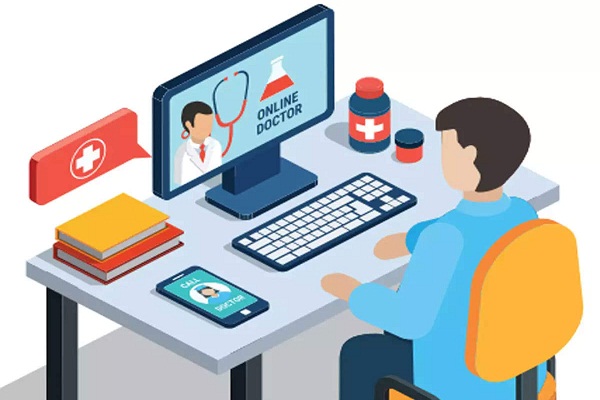
Digital learning platforms require specific technological capabilities that support interactive coursework and virtual practical sessions. Reliable internet connectivity with adequate bandwidth ensures smooth access to video content, virtual simulations, and real-time communication tools used throughout the certification process. Modern devices capable of running current web browsers and supporting video conferencing applications provide the foundation for successful online learning experiences. Webcam and microphone capabilities enable participation in virtual practical assessments and supervisor consultations that complement theoretical coursework. These technical requirements ensure students can fully engage with all program components.
Assessment structure breakdown
Online carer certification programs implement diverse assessment methods that evaluate theoretical knowledge and practical competencies required for professional practice.
- Written examinations covering healthcare regulations, patient safety protocols, and care planning fundamentals
- Video-based practical demonstrations showcasing essential care techniques and procedures
- Case study analyses that test critical thinking abilities in real-world scenarios
- Continuous assessment through module quizzes and interactive exercises
- Final portfolio submissions demonstrating comprehensive skill development
These varied assessment approaches ensure graduates possess the theoretical knowledge and practical capabilities necessary for professional carer roles. The combination validates learning outcomes while accommodating participants’ different learning styles and preferences.
Completion timeline expectations
Standard online career certification programs typically span twelve to eighteen months, depending on the specific qualification level and intensity of study. Part-time study options extend timelines to accommodate working professionals, while full-time tracks accelerate completion for dedicated students.
- Foundation-level certificates requiring 6-9 months of part-time study
- Advanced certification pathways spanning 12-18 months with comprehensive practical components
- Accelerated programs offering completion within 8-12 months for full-time students
- Flexible scheduling options allowing study progression based on individual circumstances
- Extension opportunities for students requiring additional time due to personal circumstances
These timeline variations accommodate diverse student needs while maintaining consistent educational quality across all program formats. Completion schedules balance thoroughness with practical accessibility for working adults pursuing career transitions. The digital transformation of carer education creates accessible pathways for professional development while maintaining the quality standards essential for healthcare roles. Online certification programs combine convenience with comprehensive training that prepares graduates for meaningful careers in patient care. These requirements ensure that certification holders possess the knowledge and practical skills necessary for competent professional practice in diverse healthcare settings.