
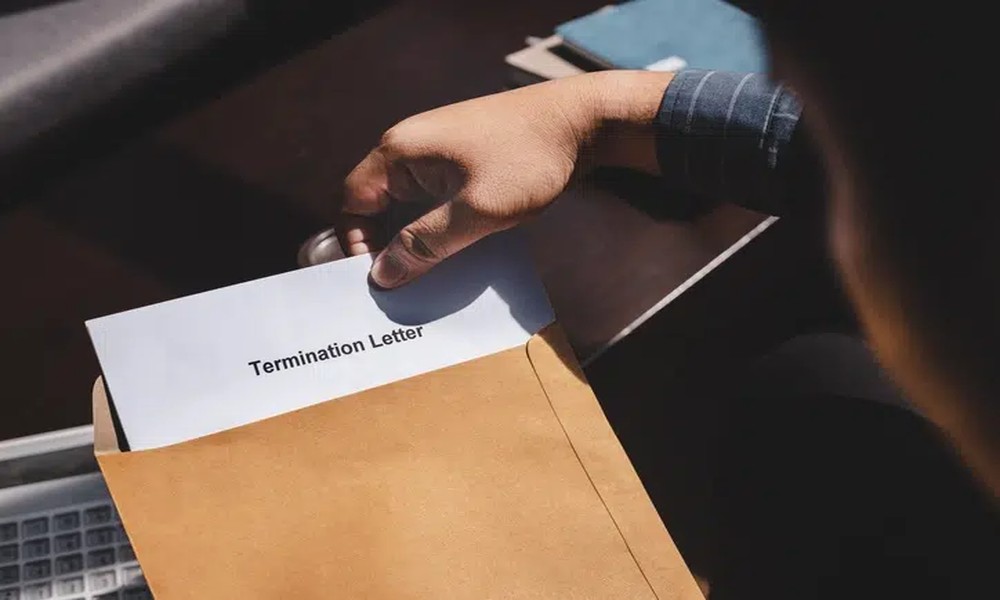
Suspecting wrongful termination can be a stressful and confusing experience. Protecting your rights begins with proper documentation. In Washington D.C., employees are protected from unlawful termination based on discrimination, retaliation, or other prohibited actions. Documenting your case carefully can make a significant difference if you need to pursue legal action or negotiate a settlement. Understanding what to record, how to organize it, and when to seek legal guidance is essential for protecting yourself.
Why Documentation is Important
Documentation provides evidence of your employment situation and the circumstances surrounding your termination. Employers may deny wrongdoing, and without detailed records, it can be difficult to prove your claims. Proper documentation can:
- Substantiate allegations of discrimination, retaliation, or contract violations
- Support claims for back pay, compensatory damages, or reinstatement
- Help your attorney evaluate the strength of your case
- Ensure you meet legal requirements and deadlines for filing claims
Having a thorough record can give you a significant advantage when working with a Wrongful Termination Attorney DC or negotiating with your former employer.
Steps to Document Your Case
1. Keep a Detailed Timeline
Start by creating a timeline of events leading up to your termination. Include:
- Dates of important meetings, performance reviews, and disciplinary actions
- Emails or messages related to your job performance or workplace incidents
- Conversations with supervisors or HR representatives
- Specific instances of discriminatory or retaliatory behavior
A clear timeline helps establish patterns and provides context for your case.
2. Save Emails and Written Communications
Emails, text messages, memos, and other written communications can be critical evidence. Make sure to:
- Save copies of all work-related correspondence
- Include any messages that indicate unfair treatment, discrimination, or retaliation
- Avoid deleting anything, even if it seems minor
Organized records of communication can help prove intent or misconduct by your employer.
3. Record Witness Statements
If colleagues witnessed unfair treatment or other relevant incidents, ask them to provide written statements. Make sure statements include:
- The witness’s full name and job title
- A detailed description of what they observed
- Dates and times of incidents
Having credible witnesses can strengthen your case, particularly in disputes over conflicting accounts.
4. Preserve Performance Records
Performance reviews, pay stubs, promotion records, and attendance logs can demonstrate your work history and job performance. Retain:
- Annual or quarterly performance evaluations
- Emails praising your work or acknowledging achievements
- Documentation of any disciplinary actions, if they are relevant to your claim
These records can help show that your termination was unjustified and not based on performance.
5. Document Harassment or Discrimination
If your termination is related to discrimination, harassment, or retaliation, document all relevant incidents. Include:
- Dates, times, and locations of events
- Names of people involved or present
- Descriptions of specific actions, comments, or behaviors
- Any complaints made to HR or management
Detailed records provide evidence that your termination violated federal or local employment laws.
6. Keep a Personal Journal
Maintaining a journal allows you to record events and your reactions as they happen. Include:
- Daily work activities and any unusual incidents
- Conversations with supervisors or colleagues
- Emotional impact or stress caused by workplace actions
A personal journal can complement other documentation and demonstrate the ongoing effect of wrongful termination on your life.
Organizing Your Documentation
Organized documentation is easier to present to an attorney and ensures nothing is overlooked. Consider these tips:
- Use a digital folder for emails, screenshots, and scanned documents
- Keep a separate folder for witness statements and personal notes
- Create a chronological order of events
- Use clear labels for each document or file
Proper organization saves time and strengthens your case when consulting with a Wrongful Termination Attorney DC.
Consulting an Attorney Early
Documenting your case is crucial, but professional legal guidance is equally important. A skilled attorney can:
- Advise you on what evidence is most important
- Help avoid mistakes that could harm your claim
- Guide you through negotiations, mediation, or litigation
- Ensure you meet filing deadlines and legal requirements
Consulting a Wrongful Termination Attorney DC early can maximize your chances of a favorable outcome.
Conclusion
If you suspect wrongful termination, proper documentation is your first line of defense. Keeping detailed timelines, emails, witness statements, performance records, and a personal journal can significantly strengthen your case. Organizing your documentation carefully and consulting a qualified attorney ensures your rights are protected and provides the guidance needed to navigate the legal process. By taking these steps promptly, you can effectively build a strong case and pursue the remedies you deserve in Washington D.C.

Comments are closed.