
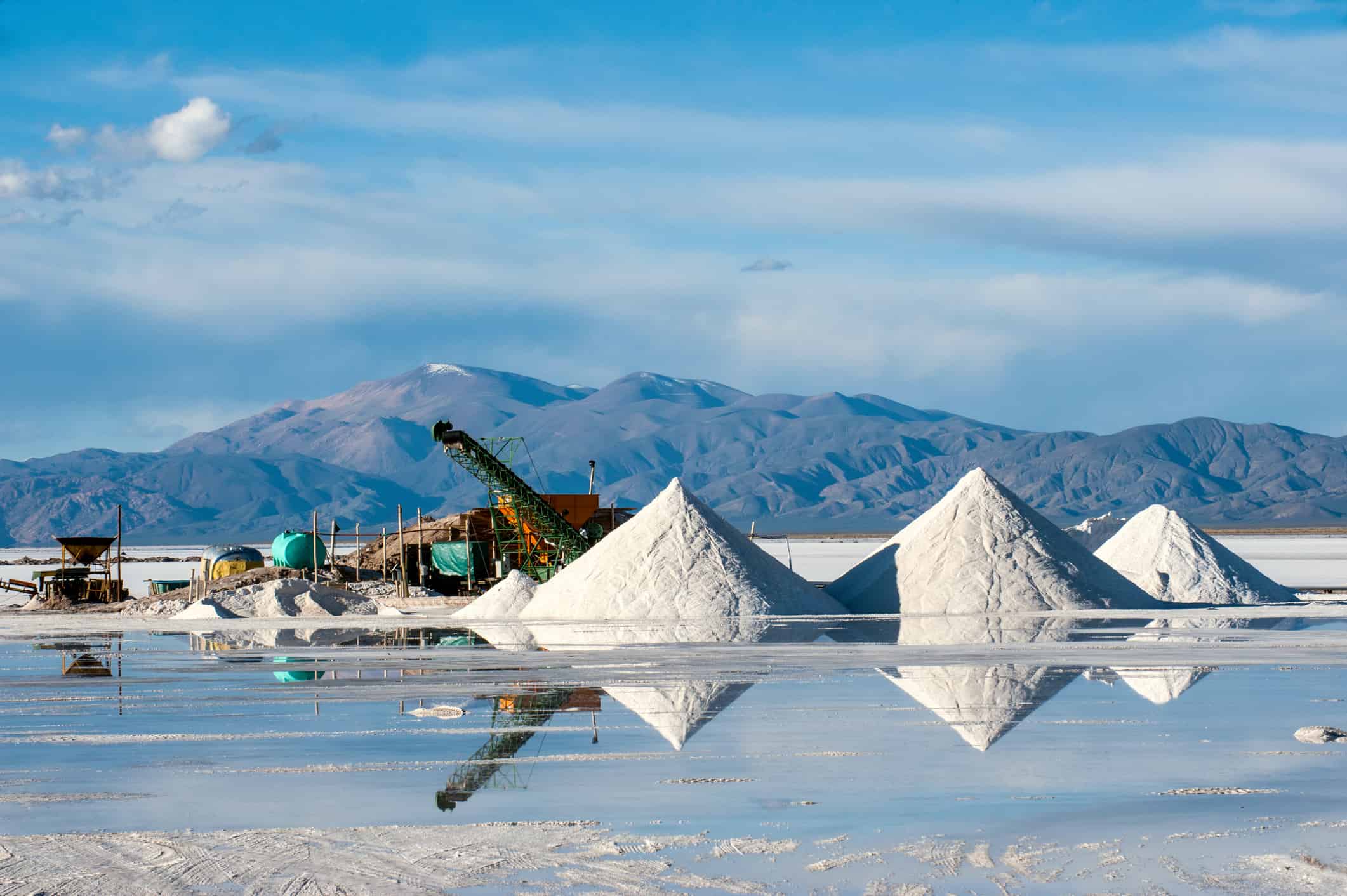
Lithium is the source of energy in our phones, electric cars, and renewable energy systems. With the increasing demand comes a curiosity around where this precious resource actually comes from. One of the biggest questions hanging over lithium is how is lithium mined and what this process actually looks like. The answer depends on the type of deposit, and the technique utilized to extract it. So, here is a straightforward guide, easy to follow, about how lithium travels from the ground to the batteries you find in the present.
Two Main Sources of Lithium
To get an insight into how is lithium mined, it should be noted that lithium is found in two primary forms:
- Brine deposits: Massive salt flats in South America types of brine deposits
- Hard-rock deposits: Solid mineral formations primarily located in Australia and some places in China
Each source voids a mining method.
Mining Lithium from Brine
The most common and distinctive method of extraction is known as brine extraction. It pulls lithium-rich salt water from underneath the ground.
-
Step 1: Pumping the Brine
They pump saltwater up from underground aquifers into big but shallow evaporation ponds.
-
Step 2: Natural Evaporation
It is largely the work of the sun. As time passes, the water evaporates, leaving minerals behind.
-
Step 3: Separation
The other component is lithium, together with potassium, magnesium, and other salts. Technicians separate these minerals step-by-step.
-
Step 4: Conversion
This concentrated lithium solution is then crystallized into lithium carbonate or lithium hydroxide − battery-grade forms of lithium.
Brine extraction is energy efficient, as it requires sunlight and can crush heavy machinery.
Mining Lithium from Hard Rock
In the absence of salt flats, hard-rock mining addresses the question of lithium extraction. That process is based on quenching a mineral called spodumene.
-
Step 1: Traditional Mining
Big open-pit mines extract spodumene-laden rocks from the ground.
-
Step 2: Crushing and Heating
The rock goes through crushing and is later sent to a clinker furnace at high temperatures. This alters the structure of the mineral and readies it for retrieval.
-
Step 3: Chemical Processing
The substance is then processed with acids or other chemicals in order to extract lithium.
-
Step 4: Refining
The lithium obtained is then purified and processed into battery-grade compounds.
Surface mining takes only weeks as opposed to the years needed for brine extraction, but uses much more energy and equipment.
Alternative Method: Direct Lithium Extraction (DLE)
DLE is a newer way to produce lithium that is seen as a potential way to speed up production and lower environmental impact. Instead of taking months to evaporate, filters or absorption materials suck lithium right from brine. This process is still in its infancy, but has excellent potential for the future.
Environmental Considerations
Another part of knowing how lithium is mined is knowing how this mining disrupts the environment. Brine and hard-rock mining both have high land and water requirements. This is precisely the reason so many companies are moving toward cleaner extraction methods and better lithium battery recycling systems.
Final Thoughts
So, how is lithium mined? The process differs from region to region, but the goal is consistent: to mine a metal of the future. Salt brine, solid rock, or filtered by next gen methods, lithium is still king on the way to cleaner energy. As demand increases, mining will evolve with more focus on reduced costs, environmental sustainability, and emissions.

Comments are closed.