
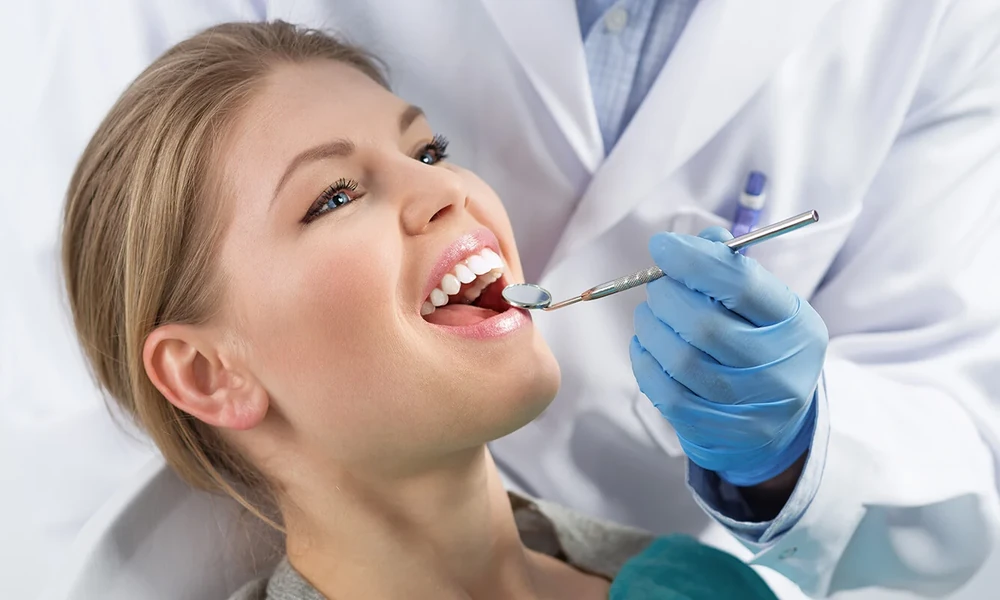
You finally replaced a missing tooth, and now your eye goes straight to the new crown every time you look in the mirror. That reaction is common, and a dentist in Annapolis, MD can help explain why. A mature smile has years of wear, tiny color shifts, surface texture, and light reflection that do not match a brand new restoration right away. When one tooth looks too bright, too flat, or too perfect, it can stand out more than the gap ever did.
The good news is that a natural result is usually possible. Blending an implant crown into an older smile often comes down to shade, shape, translucency, gum contour, and sometimes improving the surrounding teeth instead of remaking the implant crown alone. In family and cosmetic and implant dentistry, the goal is not just replacing a tooth. It is making that tooth belong.
Why a New Implant Crown Can Look Out of Place in a Mature Smile
An implant crown is custom made, but custom does not always mean invisible. Natural teeth change over time. Enamel thins. Edges soften. Tiny craze lines appear. Old fillings, whitening history, and uneven wear all affect color. A lab can match a shade tab and still miss the way your nearby teeth catch light.
You may also be dealing with a front tooth implant, where even a slight mismatch feels obvious. If the crown is a little more opaque than the neighboring teeth, it can look dense and artificial. If the gum line sits a bit higher or lower, your eye catches that too. This is why blending an implant crown with natural teeth is often more art than simple replacement.
Implants themselves are a well established treatment, but they require planning and maintenance. The FDA outlines key points about dental implants and what you should know, including the need for careful follow up and realistic expectations about outcomes.
Shade Matching Alone Does Not Create a Natural Looking Implant Crown
When people think about cosmetic options, they usually think color first. Color matters, but it is only one piece. A natural looking implant crown also needs the right surface texture, contour, translucency, and edge detail. A younger bright white shade can look wrong in a smile that has warmer tones and softer edges.
Photography has become one of the most useful tools here. Better photos help dentists and labs see undertones, light reflection, and fine details that standard shade tabs miss. Research from the University of Iowa has explored photography for shade matching, which supports what many patients already sense. Matching a crown is not just picking a color. It is capturing how your real teeth actually look in daily life.
If your implant crown already feels too noticeable, the fix may be one of several things. The crown can sometimes be modified or remade. Nearby teeth can be whitened first so the final crown is matched to the brighter result. In other cases, bonding or veneers on adjacent teeth create a more even frame around the implant. This is where cosmetic options for implant crown matching become highly personal rather than one size fits all.
Small Cosmetic Changes Around the Implant Can Make the Biggest Difference
The crown is not always the problem by itself. Sometimes the issue is contrast. One new crown next to stained, worn, or uneven teeth will naturally stand out. If your surrounding teeth have old dental work, chipped edges, or mixed shades, your dentist may suggest treating those areas too.
Gum tissue matters just as much. A crown can be beautifully made and still look off if the gum shape is uneven or if the tissue around the implant has receded. In some cases, minor gum contouring or tissue management helps the crown look more settled into the smile. If there has been healing after implant placement, your final cosmetic result may improve as the tissue matures.
General aftercare also affects appearance and long term success. MedlinePlus explains the basics of dental implant surgery aftercare and recovery, which can influence healing around the implant and the final look of the crown.
Comparison Points for Improving Implant Crown Esthetics
| Option | Best For | Main Benefit | Possible Limitation |
|---|---|---|---|
| Custom crown adjustment or remake | Crowns with clear color, shape, or texture mismatch | Targets the exact restoration that stands out | May require added lab work and cost |
| Teeth whitening before final crown matching | Patients who want a brighter overall smile | Helps the crown match your intended long term shade | Implant crowns do not whiten, so timing matters |
| Bonding on nearby teeth | Small chips, uneven edges, minor color inconsistencies | Quick way to harmonize the smile around the implant | May stain or wear over time |
| Veneers on adjacent front teeth | More visible front smile differences | Creates a coordinated shape and shade across the smile | Higher cost and more treatment planning |
| Gum contouring or tissue treatment | Uneven gum line or dark spaces near the implant | Improves how naturally the crown sits in the smile | Not every case is suited for soft tissue changes |
Clear Next Steps Help You Avoid Expensive Guesswork
Ask for a cosmetic evaluation, not just a crown check. A functional implant can still be an esthetic problem. Ask your dentist to assess shade, translucency, texture, bite, and gum symmetry together. That broader view often reveals why the tooth stands out.
Bring photos from before the missing tooth or from your younger smile. Old photos help guide shape and character. Even casual phone pictures can show how your natural teeth used to reflect light and where the edges sat. This can improve planning for implant crown color matching and overall smile balance.
Decide whether you want the crown to blend with your current smile or your ideal smile. Those are different goals. If you plan to whiten, replace old bonding, or refresh front teeth later, do that planning first. Matching a crown to teeth that will soon change often leads to doing the work twice.
A Balanced Smile Is Usually Built in Layers
If your implant crown looks too new for the rest of your smile, you are not being picky. You are noticing details that matter. A mature smile has character, and the best cosmetic dentistry respects that instead of trying to erase it. Sometimes the answer is a new crown. Sometimes it is whitening, bonding, or small gum changes that bring everything together.
Thoughtful family and cosmetic and implant dentistry can make a replacement tooth feel less like a replacement and more like part of you. If your implant crown still catches your eye for the wrong reasons, schedule a cosmetic consultation and ask for a plan that looks at the whole smile, not just the implant.

Comments are closed.