
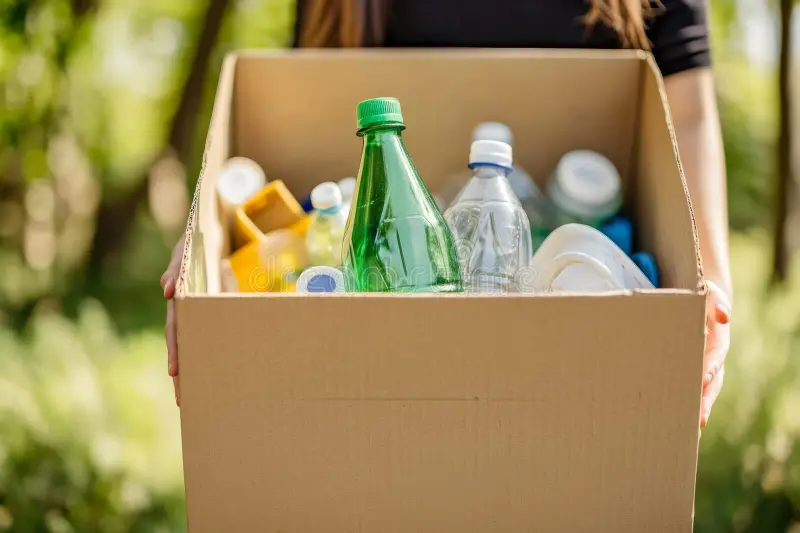
Good intentions drive most people when they recycle. fewer people recycle correctly. That disconnect is why so much plastic goes to a landfill. If you want to close that gap, you really need to know what plastics can be recycled − and what ones are quietly undermining the system.
Instead of rules you’ll forget in a day or two, this article is going to be practical, you foremost here understand the decisions you should take.
What Should Really Matter?
Well, before you even consider throwing any plastic in the bin, ask yourself this:
But is this good for the recycling process or bad?
But if you are not sure about which plastics can be recycled, making guess leads to contamination. There is no time for trying to correct mistakes at recycling plants. They do not issue rejections for single items instead they issue rejections for loads.
Types of Plastics That are Generally Safe
Most recycling programs accept these plastics because they are easy to process and resell.
PET (#1): The Safe Bet
Found in:
- Water and soft drink bottles
- Clear food containers
PET is the poster child of plastic recycling. It’s a clean, consistent, and much-in-demand one!
HDPE (#2): High Value, High Demand
Found in:
- Milk jugs
- Detergent bottles
- Personal care containers
HDPE maintains its structure and quality after being recycled, making it one of the most reliable choices.
PP (#5): Widespread; Trending but Not Universal
Found in:
- Yogurt cups
- Takeout containers
- Medicine bottles
There are a greater number of facilities that accept PP than before. But always check your local guidelines before recycling.
Plastics That Require Extra Caution
These are not nefarious plastics by default, but nor are they automatic yeses.
LDPE (#4): Recycle Separately
Found in:
- Grocery bags
- Bread packaging
- Soft plastic wraps
LDPE often jams machines. The only way it is recycled is through store-drop programs.
PVC (#3): High Risk
Found in:
- Blister packaging
- Pipes
- Certain wraps
PVC, when processed, releases toxic compounds. Most facilities reject it outright.
Plastics That Commonly Fail
To recycle better, it’s also essential to know what not to recycle.
Polystyrene (#6): Low Reward
Contains Styrofoam beverages and food containers.
It is heavy, delicate, and costly to recycle. Most programs won’t take it.
“Other” (#7): The Wild Card
Contains composite and multi-layer plastics.
If it does not belong in a clearly defined category, assume that it is non-recycled.
Why “Wish Recycling” Backfires?
Wish recycling is where people throw items hoping they will end up in the recycling bin. This causes:
- Higher contamination rates
- Slower processing
- Entire batches sent to landfill
By knowing what plastics can and cannot be recycled you can ensure that good material is not lost to the waste stream thanks to the presence of a few contaminants.
A Simple Rule That Pays Off
If you’re confused by labels then just keep it simple:
- Rigid containers > soft plastics
- Clean items > dirty ones
- Fewer items > better outcomes
Of course, recycling less − but recycling accurately − is always the way to go.
Final Perspective
Recycling is not a measure of virtue. It’s a systems test. Personal recycling transforms from a symbolic gesture to real recycling when people learn which plastics are actually recyclable.
Accuracy beats effort every time. Do it right, and recycling does what it was intended to do.

Comments are closed.